


Laparoscopic Morcellator vs. Gynecological Morcellator: Understanding Their Role in Modern Minimally Invasive Surgery
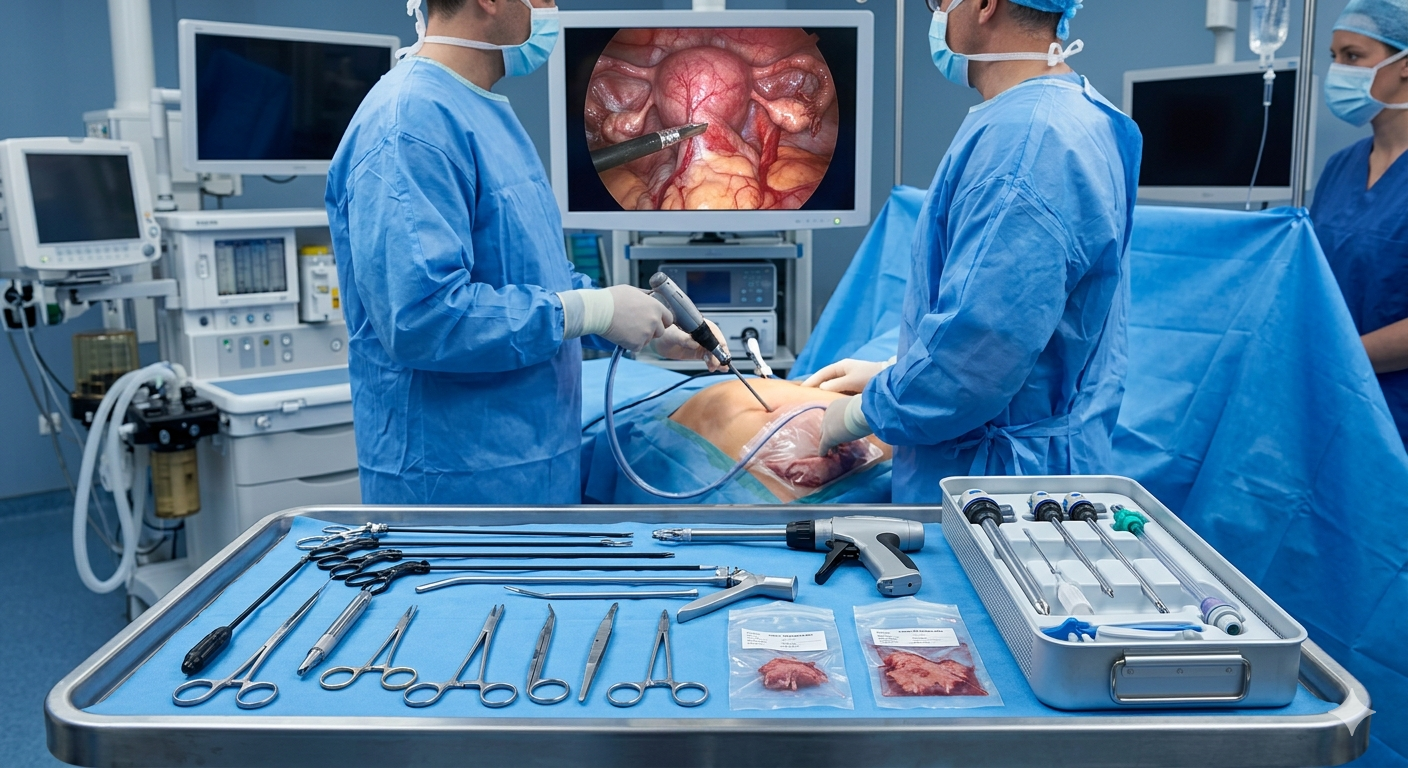
Minimally invasive surgery has transformed modern healthcare by reducing patient trauma, shortening recovery time, and improving surgical precision. Among the many specialized surgical instruments used in these procedures, morcellators have become essential for removing large tissue specimens through small incisions. Whether performing a hysterectomy, myomectomy, or other gynecological procedures, surgeons rely on advanced morcellation technology to improve procedural efficiency while maintaining minimally invasive techniques.
A laparoscopic morcellator and a gynecological morcellator are closely related devices designed to fragment tissue into smaller pieces, allowing safe extraction through laparoscopic ports. While both serve similar purposes, their applications, design considerations, and clinical use may differ depending on the procedure.
Healthcare providers seeking advanced minimally invasive surgical solutions can explore high-quality laparoscopic morcellator systems from VenturisMed, which offers innovative surgical technologies for modern operating rooms.
What Is a Morcellator?
A morcellator is a surgical device used to divide large tissue masses into smaller fragments during minimally invasive surgery. This process, known as morcellation, enables surgeons to remove tissue through small laparoscopic incisions instead of making larger abdominal openings.
Morcellators are commonly used in procedures involving:
-
Uterine fibroids
-
Hysterectomy
-
Myomectomy
-
Benign gynecological tissue removal
-
Selected laparoscopic general surgical procedures
Their primary purpose is to preserve the benefits of minimally invasive surgery while facilitating efficient specimen extraction.
Understanding the Laparoscopic Morcellator
A laparoscopic morcellator is specifically designed for use during laparoscopic procedures. It is inserted through a trocar and operates within the abdominal cavity to fragment tissue before removal.
Key features often include:
-
High-speed rotating cutting mechanism
-
Ergonomic handpiece
-
Controlled tissue fragmentation
-
Compatibility with minimally invasive surgical systems
-
Precision cutting technology
Modern laparoscopic morcellators are engineered to maximize efficiency while allowing surgeons to maintain excellent visualization throughout the procedure.
What Is a Gynecological Morcellator?
A gynecological morcellator is a specialized morcellator developed specifically for gynecologic procedures involving the uterus and related tissues.
These procedures commonly include:
-
Laparoscopic hysterectomy
-
Laparoscopic myomectomy
-
Removal of uterine fibroids
-
Benign uterine mass extraction
Because gynecologic surgeries frequently involve larger tissue specimens, morcellators help avoid converting minimally invasive procedures into open surgeries.
Hospitals and surgical centers looking for advanced gynecological morcellator solutions can find specialized surgical equipment designed to support modern gynecologic procedures.
Why Minimally Invasive Surgery Depends on Morcellation
Without morcellation, surgeons may need to enlarge surgical incisions to remove bulky tissue specimens.
Morcellation helps maintain the advantages of minimally invasive surgery, including:
Smaller Incisions
Tiny laparoscopic ports replace large abdominal incisions.
Faster Recovery
Patients often recover more quickly following minimally invasive procedures.
Less Postoperative Pain
Smaller incisions generally result in less tissue trauma and discomfort.
Reduced Blood Loss
Minimally invasive techniques frequently involve less intraoperative bleeding.
Improved Cosmetic Results
Small incision scars are usually less noticeable than traditional surgical incisions.
These benefits have contributed to the widespread adoption of laparoscopic surgery across many specialties.
Common Procedures That Use Morcellators
Laparoscopic Hysterectomy
Removal of the uterus through minimally invasive techniques often requires tissue morcellation when the uterus cannot be removed intact through small incisions.
Myomectomy
Patients wishing to preserve fertility often undergo laparoscopic myomectomy for fibroid removal, where morcellators facilitate tissue extraction.
Benign Uterine Fibroids
Large fibroids can often be removed laparoscopically through morcellation instead of open surgery.
Selected General Surgical Procedures
Although most commonly associated with gynecology, morcellators may also be used in carefully selected laparoscopic procedures outside gynecology.
Components of a Modern Morcellator System
A typical laparoscopic morcellation system includes:
Handpiece
Allows precise surgeon control.
Rotating Blade
Performs controlled tissue fragmentation.
Drive Unit
Provides the power required for consistent cutting performance.
Tissue Grasping Instruments
Help guide tissue toward the cutting mechanism.
Safety Features
Many modern systems incorporate enhanced control mechanisms intended to improve procedural safety.
Clinical Benefits for Surgeons
Modern morcellators provide several workflow advantages.
Improved Surgical Efficiency
Large tissue specimens can be removed without significantly enlarging incisions.
Better Surgical Ergonomics
Designed for comfortable handling during longer procedures.
Precision
Controlled fragmentation helps improve tissue management during surgery.
Reduced Procedure Complexity
Minimally invasive extraction techniques may simplify specimen removal in appropriate clinical situations.
Patient Benefits
Patients often experience multiple advantages when minimally invasive techniques are appropriate.
Shorter Hospital Stay
Many patients return home sooner compared to traditional open surgery.
Faster Return to Daily Activities
Recovery time is often significantly reduced.
Lower Postoperative Pain
Smaller incisions generally contribute to improved postoperative comfort.
Less Scarring
Cosmetic outcomes are typically better than open abdominal procedures.
Lower Infection Risk
Smaller surgical wounds may reduce certain postoperative complications.
Actual outcomes vary depending on the patient's condition and the procedure performed.
Safety Considerations in Morcellation
Patient safety remains the highest priority during any surgical procedure.
Over the past decade, significant attention has focused on appropriate patient selection and the potential risk of spreading undiagnosed malignant tissue during morcellation. Regulatory agencies recommend careful evaluation before the use of power morcellators and advise the use of tissue containment systems in appropriate cases.
Important considerations include:
-
Thorough preoperative evaluation
-
Careful patient selection
-
Surgeon expertise
-
Appropriate surgical planning
-
Use of containment systems where indicated
-
Shared decision-making between surgeon and patient
Modern surgical guidelines continue to evolve based on clinical evidence.
Technological Advances in Morcellation
Medical device innovation continues to improve morcellator performance.
Recent developments include:
-
Improved blade design
-
Enhanced motor efficiency
-
Better ergonomic handling
-
More reliable tissue containment compatibility
-
Improved visualization during surgery
-
Enhanced precision and control
These innovations aim to improve surgical workflow while supporting patient safety.
Choosing the Right Morcellator
Hospitals evaluating morcellation systems often consider:
Reliability
Consistent performance during complex procedures.
Ease of Use
Simple setup and intuitive operation.
Surgeon Comfort
Ergonomic designs reduce fatigue.
Compatibility
Integration with existing laparoscopic equipment.
Manufacturer Support
Training, technical assistance, and product reliability are important factors.
Future of Laparoscopic and Gynecological Morcellators
The future of minimally invasive surgery continues to emphasize:
-
Greater surgical precision
-
Improved containment technologies
-
Better patient outcomes
-
Advanced imaging integration
-
Smarter surgical instruments
-
Enhanced safety mechanisms
As surgical technology advances, morcellators are expected to remain an important component of minimally invasive gynecologic surgery.
Conclusion
Both laparoscopic morcellators and gynecological morcellators have significantly contributed to the advancement of minimally invasive surgery. By allowing large tissue specimens to be removed through small incisions, these specialized instruments help preserve the many benefits of laparoscopic procedures, including reduced pain, shorter hospital stays, and faster recovery.
While the use of morcellation requires careful patient selection and adherence to current clinical guidelines, ongoing innovations continue to improve safety and surgical performance. For healthcare facilities seeking reliable minimally invasive surgical equipment, exploring advanced solutions from laparoscopic morcellator and gynecological morcellator providers can support high standards of patient care and surgical excellence.
Frequently Asked Questions (FAQs)
1. What is the difference between a laparoscopic morcellator and a gynecological morcellator?
A laparoscopic morcellator is used in minimally invasive laparoscopic procedures across selected surgical specialties, while a gynecological morcellator is specifically designed for procedures involving the uterus and female reproductive organs.
2. Why are morcellators used during minimally invasive surgery?
Morcellators allow surgeons to divide large tissue specimens into smaller pieces so they can be removed through small laparoscopic incisions rather than larger open surgical cuts.
3. Are morcellators used for all hysterectomies?
No. The choice depends on factors such as the patient's condition, tissue size, surgical approach, and the surgeon's clinical judgment.
4. What are tissue containment systems?
Tissue containment systems are specialized surgical bags used during certain morcellation procedures to help minimize the spread of tissue fragments within the abdominal cavity when clinically appropriate.
5. What procedures commonly require a gynecological morcellator?
Common procedures include laparoscopic hysterectomy, laparoscopic myomectomy, and the removal of large benign uterine fibroids.
6. How do modern morcellators improve surgical outcomes?
Modern morcellators support minimally invasive surgery by enabling smaller incisions, improving surgical efficiency, reducing postoperative discomfort, and helping patients recover more quickly when used in appropriately selected cases.

 Bangla