


How AI Video Data Collection Is Transforming Robotics, Healthcare, and Smart Cities
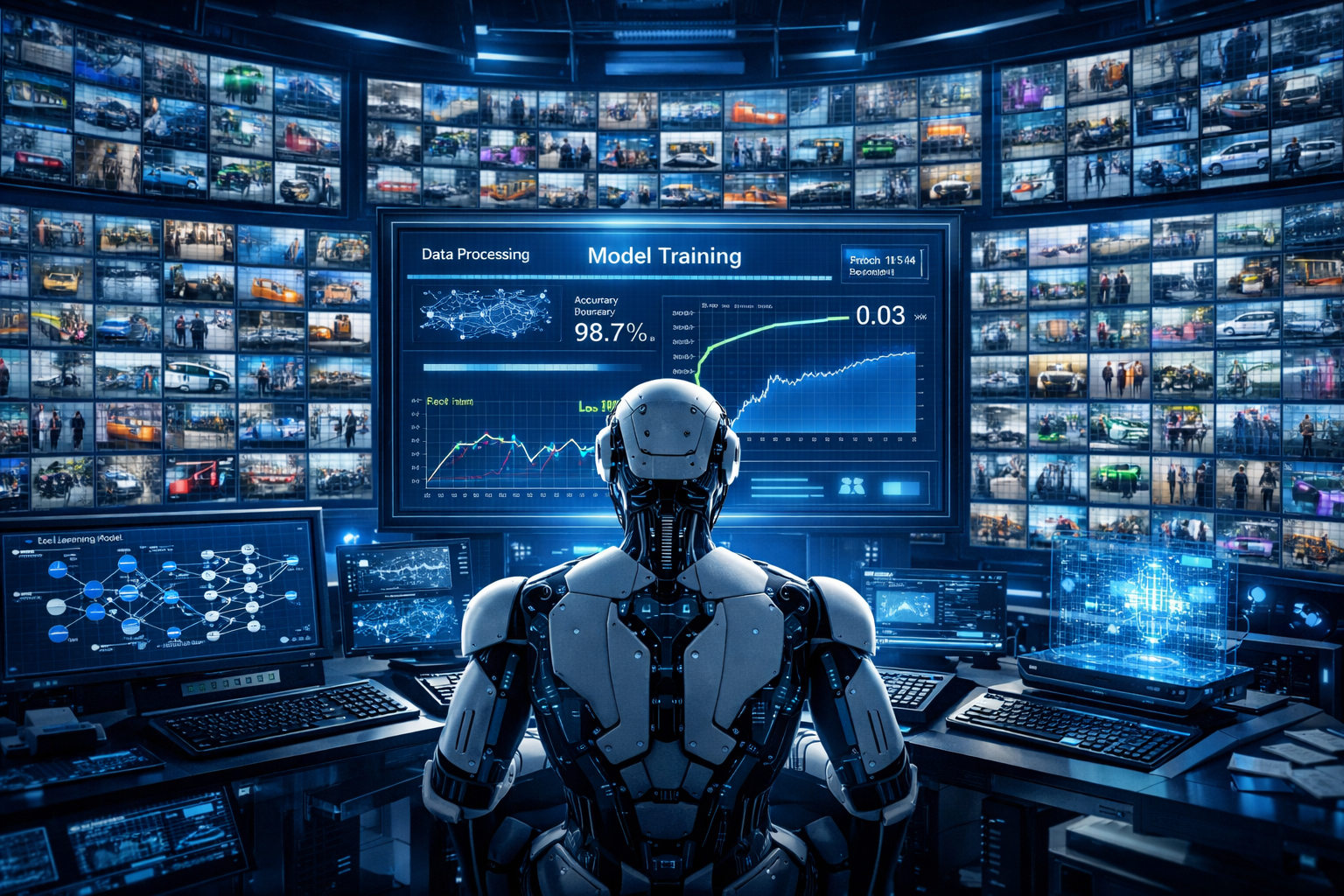
How AI Video Data Collection Is Transforming Robotics, Healthcare, and Smart Cities
Introduction: Why Video Data Is Becoming the Backbone of AI
Artificial intelligence has rapidly evolved from simple automation tools to intelligent systems capable of interpreting complex real-world environments. Behind many of these breakthroughs lies one powerful resource: video data.
Modern AI systems depend on massive amounts of visual information to learn how the world works. From autonomous robots navigating factories to healthcare systems detecting medical conditions and city infrastructure monitoring traffic patterns, video datasets help train models that can understand movement, behavior, and context.
This is where AI video data collection plays a crucial role. By gathering diverse, high-quality video datasets, organizations can train machine learning models to recognize patterns, detect objects, and make accurate decisions in dynamic environments.
As industries continue to adopt computer vision technologies, the demand for reliable video data collection is increasing rapidly across robotics, healthcare, and smart city ecosystems.
Why Is Video Data So Valuable for Artificial Intelligence?
Artificial intelligence systems that interact with the physical world require far more than static images. Video offers something unique: continuous visual information over time.
Unlike images, video provides:
-
Motion tracking
-
Behavioral patterns
-
Environmental context
-
Real-time decision scenarios
These elements are essential for training computer vision models that need to understand how objects move, interact, and respond to real-world situations.
For example:
-
Robots must recognize human movement in a warehouse
-
Medical systems must track patient activity
-
Smart city systems must monitor traffic flow and crowd behavior
Without diverse and accurately labeled video datasets, these AI systems cannot learn effectively.
How Does AI Video Data Collection Work?
AI video data collection involves capturing and organizing video footage that can later be used to train machine learning models.
The process generally includes several stages:
Capturing Real-World Video Footage
Video data can be collected through various sources including:
-
Surveillance cameras
-
Drones
-
Mobile devices
-
Autonomous vehicle cameras
-
Industrial monitoring systems
The goal is to gather diverse real-world scenarios so AI models can generalize across different environments.
Preparing the Video Dataset
Once collected, the footage must be organized and cleaned. This stage removes corrupted files, improves video quality, and ensures that the dataset represents multiple scenarios such as lighting conditions, weather variations, and human activities.
Annotation and Labeling
For AI models to learn from the footage, objects and actions must be labeled.
This can include:
-
Object detection
-
Human activity recognition
-
Motion tracking
-
Behavioral analysis
Organizations looking to scale their AI development often rely on specialized providers that offer large-scale video dataset preparation and annotation pipelines.
For example, businesses developing computer vision systems often use professional AI video data collection solutions such as those provided through dedicated AI video data collection services to gather reliable datasets for training advanced models.
How Is AI Video Data Collection Transforming Robotics?
Robotics is one of the industries experiencing the most significant impact from video data.
Robots that operate in real environments must be able to interpret movement, detect obstacles, and interact safely with humans.
Training Robots to Understand Their Surroundings
Robotic systems rely on computer vision models trained using thousands of hours of video footage. These datasets teach robots how to recognize:
-
Tools and machinery
-
Human gestures
-
Object positioning
-
Spatial awareness
For example, warehouse robots can learn to avoid collisions by analyzing recorded footage of real-world interactions.
Improving Human-Robot Collaboration
In manufacturing and logistics environments, robots often work alongside humans.
Video datasets help AI models understand:
-
Worker movement patterns
-
Safety boundaries
-
Task coordination
This enables robots to respond intelligently and safely in dynamic environments.
Enabling Autonomous Robotics
Autonomous delivery robots, agricultural machines, and inspection robots all depend heavily on video-based training data to function accurately.
By learning from diverse environments, these systems can adapt to new situations with greater reliability.
How Is AI Video Data Collection Changing Healthcare?
Healthcare is increasingly adopting computer vision systems to improve diagnostics, patient monitoring, and operational efficiency.
Video data collection plays a major role in enabling these advancements.
Patient Monitoring Systems
AI systems trained with medical video datasets can help monitor patients in hospitals and care facilities.
These systems can detect:
-
Falls or sudden movement changes
-
Patient mobility patterns
-
Behavioral changes in elderly patients
Such monitoring solutions allow healthcare providers to respond faster to potential health risks.
Surgical Assistance and Training
Video datasets collected from surgical procedures are helping train AI models that assist surgeons during operations.
These systems can analyze:
-
Instrument movement
-
Procedure steps
-
Surgical accuracy
In the future, this technology may support real-time surgical guidance systems.
Early Disease Detection
Computer vision models trained on medical video data are also being used for detecting symptoms related to neurological disorders, mobility issues, and rehabilitation progress.
These systems analyze patterns in movement that might be difficult for humans to detect early.
How Are Smart Cities Using AI Video Data?
Cities around the world are deploying intelligent infrastructure powered by computer vision.
Video data plays a key role in making urban systems more efficient and responsive.
Traffic Management Systems
AI systems trained with traffic video datasets can monitor:
-
Vehicle movement patterns
-
Traffic congestion levels
-
Accident detection
This allows city authorities to optimize traffic signals and reduce congestion.
Public Safety Monitoring
Smart surveillance systems use video datasets to train models that can detect unusual activity or safety risks.
These systems help monitor:
-
Crowd behavior
-
Suspicious activities
-
Emergency situations
By analyzing video streams in real time, cities can respond faster to incidents.
Urban Planning and Infrastructure
Video data also provides insights into how people move through urban environments.
City planners can analyze video datasets to improve:
-
Public transportation routes
-
Pedestrian pathways
-
Event crowd management
This helps create more efficient and safer urban spaces.
What Challenges Exist in AI Video Data Collection?
Despite its importance, video data collection comes with several challenges.
Privacy and Ethical Concerns
Collecting video data must comply with privacy regulations and ethical standards. Organizations must ensure that datasets respect data protection laws.
Dataset Diversity
AI models require video footage from diverse environments to avoid bias. Limited datasets can reduce the accuracy of machine learning systems.
Large Data Volume
Video files require substantial storage and processing power. Managing large datasets efficiently is essential for successful AI training.
Annotation Complexity
Labeling video frames can be time-consuming because each second of footage may contain dozens of frames that need detailed annotations.
Overcoming these challenges requires specialized tools, skilled annotation teams, and robust data pipelines.
Why Is the Demand for AI Video Data Growing Globally?
The expansion of computer vision technologies is driving a massive increase in video dataset requirements.
Several factors contribute to this demand:
-
Growth of autonomous machines
-
Smart city development
-
AI-powered healthcare systems
-
Industrial automation
-
Robotics innovation
Organizations building AI solutions must continuously train their models with updated data, which means high-quality video data collection is becoming a critical component of AI development worldwide.
Final Thoughts
Artificial intelligence systems that interact with the real world must learn from visual experiences. Video data provides the dynamic information necessary for machines to understand movement, behavior, and complex environments.
From autonomous robots and medical monitoring systems to intelligent urban infrastructure, AI video data collection is enabling the next generation of computer vision technologies.
As industries continue to adopt AI at scale, the ability to collect, organize, and prepare high-quality video datasets will remain a foundational element for building reliable and accurate machine learning models.
Organizations that invest in robust video data pipelines today are helping shape the intelligent systems that will power the future of robotics, healthcare, and smart cities.
FAQs
What is AI video data collection?
AI video data collection refers to the process of gathering video footage used to train computer vision and machine learning models. These datasets help AI systems recognize objects, actions, and environmental patterns.
Why do AI models need video data instead of images?
Video data provides continuous visual information across multiple frames, allowing AI systems to understand movement, interactions, and behavior patterns that static images cannot capture.
Which industries use AI video data collection the most?
Industries that rely heavily on computer vision include robotics, autonomous vehicles, healthcare, smart cities, security systems, and retail analytics.
How is video data annotated for AI training?
Video data annotation involves labeling objects, movements, and activities within video frames so machine learning models can learn to recognize them during training.
What makes high-quality video datasets important for AI?
High-quality datasets improve model accuracy, reduce bias, and help AI systems perform reliably across different real-world environments.

 Bangla