


Why Thailand’s 3PL Services Are Powering Smarter Supply Chains
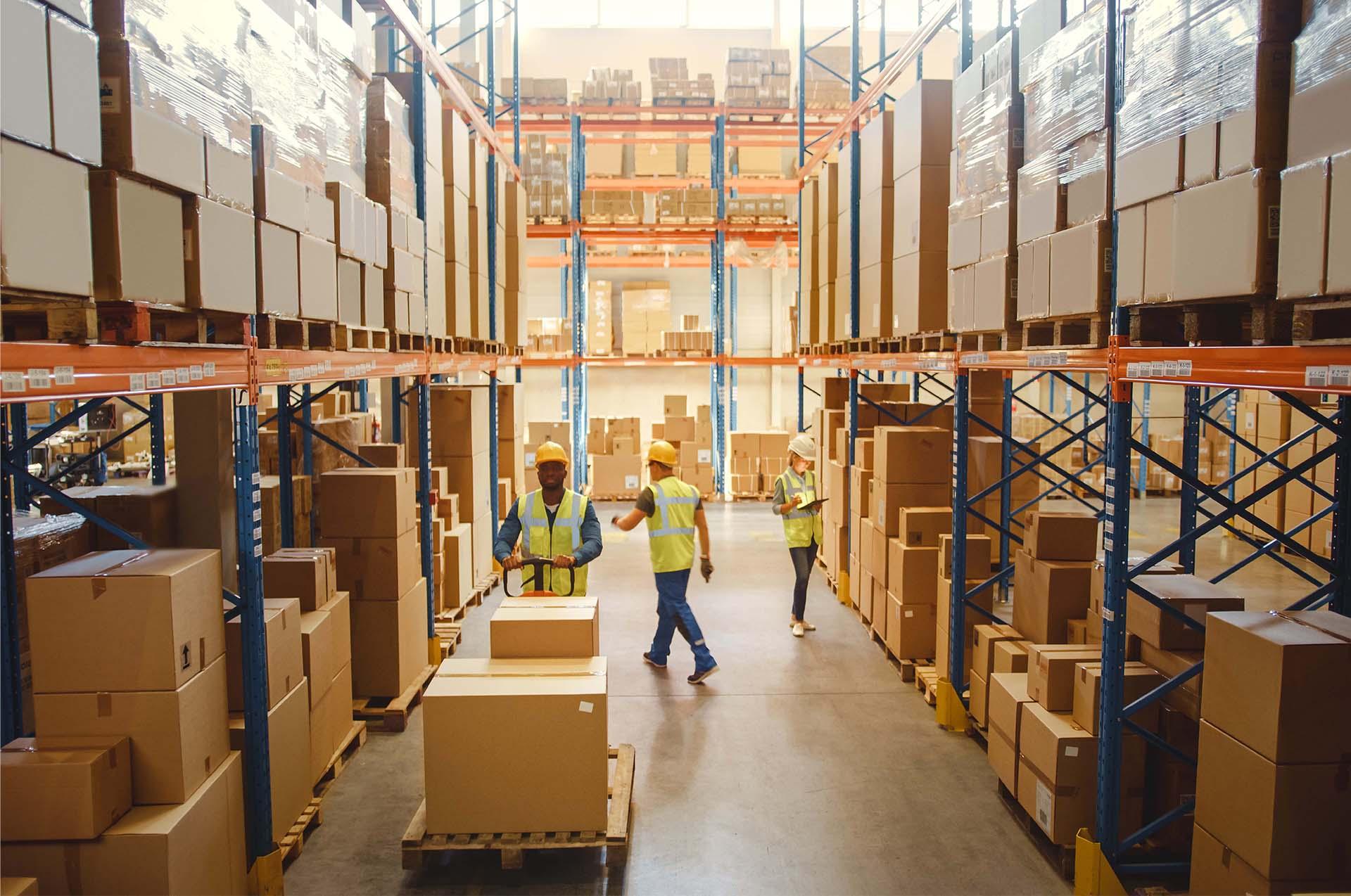
Thailand has long served as one of Southeast Asia’s most important manufacturing and trading hubs. As businesses face rising customer expectations, expanding cross-border commerce, and increasingly complex supply chains, many organizations are choosing to outsource logistics operations to specialized providers. Third-party logistics (3PL) companies now play a critical role in helping manufacturers, retailers, exporters, and e-commerce businesses improve operational efficiency while reducing costs.
The growing demand for faster deliveries, better inventory visibility, and scalable distribution networks is encouraging companies across Thailand to rethink traditional logistics models. Instead of maintaining expensive in-house transportation and warehousing operations, businesses are partnering with logistics specialists capable of managing transportation, fulfillment, customs support, and value-added services under one integrated platform.
Digital transformation is also reshaping Thailand's logistics ecosystem. Technologies such as warehouse automation, transportation management systems, artificial intelligence, IoT-enabled tracking, and predictive analytics are helping logistics providers deliver greater visibility across supply chains. These innovations allow businesses to respond more effectively to demand fluctuations while improving customer satisfaction.
Thailand's Strategic Position Strengthens Logistics Demand
Thailand's geographic location makes it an important gateway connecting mainland Southeast Asia with global trade routes. Strong manufacturing activity across automotive, electronics, food processing, and consumer goods sectors continues to generate significant freight movement throughout the country. These industries increasingly depend on outsourced logistics partners capable of managing complex domestic and international supply chains.
According to Thailand logistics industry analysis, the country's Third-Party Logistics (3PL) sector is projected to expand steadily during the 2026–2032 forecast period, supported by growing e-commerce activity, infrastructure development, and increasing adoption of outsourced logistics services.
E-Commerce Continues to Accelerate Logistics Modernization
The rapid expansion of online retail has fundamentally changed logistics requirements across Thailand. Consumers increasingly expect faster deliveries, real-time shipment tracking, flexible return options, and reliable fulfillment regardless of order size. Meeting these expectations requires advanced warehouse management systems, optimized transportation planning, and sophisticated last-mile delivery capabilities.
Third-party logistics providers help businesses scale operations without making significant investments in logistics infrastructure. Their nationwide distribution networks and technology-driven operations enable retailers to expand into new regions while maintaining delivery performance and inventory accuracy.
Warehouse Automation Improves Operational Efficiency
Warehouse modernization has become one of the most significant developments within Thailand's logistics landscape. Automated storage systems, barcode scanning, robotics, AI-assisted inventory management, and cloud-based warehouse platforms are replacing manual processes in many distribution centers.
These technologies reduce order processing times, improve inventory accuracy, minimize labor-intensive tasks, and increase warehouse productivity. As businesses handle larger product portfolios and higher shipment volumes, automated warehouses provide the flexibility required to support sustainable growth.
Transportation Management Is Becoming More Intelligent
Transportation represents one of the largest operating expenses within supply chains. Modern 3PL providers now leverage route optimization software, GPS tracking, predictive analytics, and fleet management platforms to improve vehicle utilization while reducing transportation costs.
Road transportation continues to dominate freight movement across Thailand because of its extensive highway infrastructure and ability to support flexible last-mile distribution. Intelligent transportation planning also helps reduce delivery delays while improving customer service levels across multiple industries.
Manufacturing and Export Growth Drive Outsourcing
Thailand remains one of Asia's strongest manufacturing economies, particularly in automotive production, electronics, food processing, and industrial goods. These industries require sophisticated logistics capabilities that include inbound transportation, inventory management, warehousing, customs clearance, and international freight forwarding.
Rather than building complete logistics networks internally, many manufacturers now rely on specialized logistics partners with established transportation infrastructure and operational expertise. This allows manufacturers to focus resources on production while improving overall supply chain efficiency.
Technology Creates Competitive Advantages
Digital technologies are becoming a major differentiator among logistics providers. Artificial intelligence helps forecast shipment demand, Internet of Things (IoT) devices provide real-time cargo monitoring, while cloud-based logistics platforms offer customers complete visibility into inventory movement and transportation performance.
Automation also supports proactive decision-making by identifying supply chain disruptions before they become operational challenges. Businesses benefit from improved planning, faster response times, and better utilization of logistics assets.
Sustainability Is Influencing Logistics Strategies
Environmental responsibility is becoming increasingly important throughout Thailand's logistics sector. Companies are investing in fuel-efficient transportation, optimized delivery routes, energy-efficient warehouses, and digital documentation to reduce emissions while improving operational performance.
Many logistics providers are also exploring electric delivery fleets, smarter route planning, and warehouse energy optimization as businesses seek to balance operational efficiency with long-term sustainability goals.
Looking Ahead
Thailand's logistics ecosystem continues to evolve alongside digital commerce, manufacturing expansion, and regional trade integration. Businesses increasingly require logistics partners capable of delivering flexible, technology-enabled, and scalable supply chain solutions that can adapt to changing customer expectations.
Industry assessments indicate that the Thailand Third-Party Logistics (3PL) sector is expected to experience steady expansion through 2032, supported by increasing e-commerce penetration, warehouse automation, smart fleet technologies, and growing outsourcing across multiple industries. These developments position logistics providers as essential contributors to the country's broader economic and trade ecosystem.

 Bangla