


Can Coatings Stop Corrosion in Kunli Wire Connections?
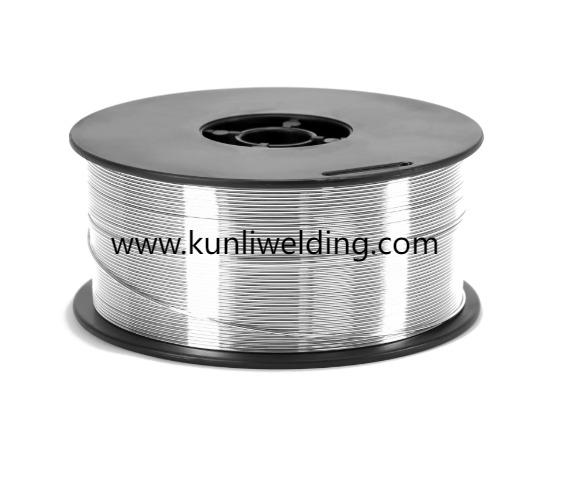
Dissimilar metal connections in electrical and structural applications create electrochemical conditions that accelerate corrosion when moisture enables current flow between materials with different electrode potentials. Aluminum and copper combinations particularly suffer from galvanic corrosion as their significant potential difference drives rapid aluminum deterioration at contact interfaces. Fabricators sourcing from China Aluminum Alloy Wire Manufacturers who need connecting aluminum components to copper systems must implement protective measures preventing galvanic attack that could compromise structural integrity and electrical performance over time.
Physical isolation represents the most effective galvanic corrosion prevention approach by eliminating direct metal-to-metal contact between aluminum and copper. Insulating washers, bushings, or gaskets made from non-conductive materials interrupt electrical contact preventing galvanic cell formation. These barrier materials must resist degradation in service environments maintaining isolation throughout connection lifetime. Proper installation ensures complete separation without gaps allowing moisture ingress creating alternate current paths bypassing intended isolation. Periodic inspection verifies isolation integrity remains intact as assemblies age and experience environmental exposure.
Protective coatings on connection surfaces create barriers preventing electrolyte contact necessary for galvanic corrosion progression. Applying suitable coatings to both aluminum and copper surfaces before assembly prevents moisture from reaching bare metal interfaces where corrosion would otherwise initiate. Coating selection must consider service environment, mechanical stress during assembly, and compatibility with both metals involved. Careful application ensures complete coverage without gaps that would concentrate corrosion at coating defects. Touch-up procedures address any coating damage occurring during assembly restoring protective coverage before service exposure.
Connection hardware material selection influences galvanic corrosion risk depending on relative positions within galvanic series. Using fasteners or connectors made from materials electrochemically compatible with both aluminum and copper reduces potential differences driving corrosion. Stainless steel hardware positioned between aluminum and copper in galvanic series often provides reasonable compromise though specific alloy selection affects actual performance. Avoiding hardware that accelerates either aluminum or copper corrosion through unfavorable galvanic relationships improves connection longevity across varied service conditions.
Corrosion inhibiting compounds applied at connection interfaces reduce corrosion rates by interfering with electrochemical processes or physically excluding moisture from contact zones. Specialized contact greases or corrosion inhibiting pastes formulated for dissimilar metal applications provide additional protection complementing other preventive measures. These compounds must maintain effectiveness throughout service life without degrading or washing away under environmental exposure. Application procedures ensure adequate coverage without excessive buildup that might interfere with mechanical or electrical connection integrity.
Environmental controls limiting moisture exposure reduce galvanic corrosion driving force by eliminating electrolyte necessary for current flow between dissimilar metals. Enclosed connections protected from direct water contact or high humidity experience slower corrosion than exposed assemblies constantly wetted by precipitation or condensation. Drainage provisions preventing water accumulation at connection locations reduce time spent in wetted conditions lowering cumulative corrosion damage. Ventilation allowing moisture evaporation between wetting events similarly reduces corrosion progression compared to trapped moisture conditions maintaining constant electrolyte presence.
Material selection considerations sometimes enable avoiding dissimilar metal connections entirely through design modifications using compatible materials throughout assemblies. When copper components can be replaced with aluminum alternatives or vice versa, galvanic corrosion concerns disappear eliminating need for protective measures. This approach requires evaluating whether material substitution maintains required electrical conductivity, mechanical properties, and environmental resistance for specific application requirements. Total system costs including materials, installation, and lifecycle maintenance inform decisions between dissimilar metal connections with protection versus compatible material approaches.
Implementing these galvanic corrosion prevention strategies protects connection integrity ensuring reliable long-term performance in applications where aluminum connects to copper. Combining multiple protective approaches creates defense in depth where secondary measures compensate if primary protection degrades or proves inadequate. Understanding galvanic corrosion mechanisms enables informed prevention strategy selection matching protection level to exposure severity and performance requirements. Additional technical guidance on dissimilar metal connections is available at https://www.kunliwelding.com/ .

 Bangla