


Medical testing can feel complicated when you do not know what to expect. An HIV Blood Test in Dubai is a laboratory screening procedure that examines a blood sample for evidence associated with HIV infection. A Blood Test in Dubai may also be part of broader health screening when recommended by a healthcare professional.
Understanding the basic process can help you prepare, know what questions to ask, and understand why testing time matters.
What Is an HIV Blood Test?
An HIV blood test analyzes a blood sample to identify markers associated with HIV. Depending on the testing method, the laboratory may look for antibodies, an HIV antigen, or viral genetic material.
The appropriate test can depend on the reason for testing and the time since a potential exposure.
Why Is HIV Testing Important?
HIV may not always cause noticeable symptoms, particularly during the early stages. Someone can therefore have an infection without realizing it.
Testing provides information about your current status and can help you seek appropriate medical guidance when necessary.
Benefits of Knowing Your Status
Understanding your HIV status can support informed healthcare decisions. If infection is confirmed, appropriate medical care can be discussed, including treatment and ongoing monitoring.
Testing can also provide an opportunity to discuss prevention and ways to protect partners.
When Should You Take an HIV Test?
Test timing is an important part of HIV screening. If testing takes place shortly after potential exposure, the infection may not yet be detectable.
The period during which an infection may not yet be detected is known as the window period. Its duration depends on the test method.
Testing After Possible Exposure
If you are worried about a recent potential exposure, seek professional advice rather than waiting for symptoms.
A healthcare professional can consider the timing of the event and recommend an appropriate testing and follow-up schedule.
What Happens During the Test?
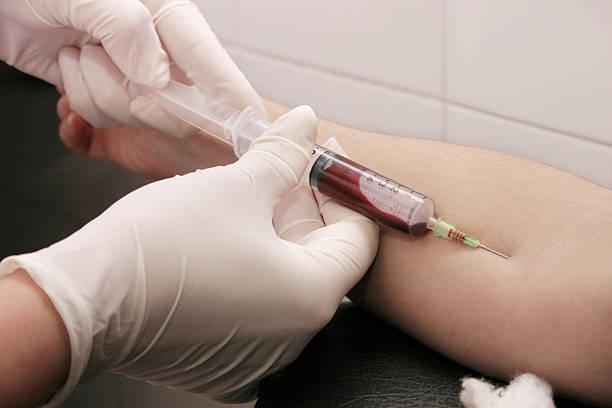
The process usually begins with a healthcare professional collecting a small blood sample. Standard clinical procedures are used to collect and label the sample before it is sent for laboratory analysis.
The actual sample collection is generally quick, although the time required to receive the report depends on the testing provider and laboratory.
Do You Need to Fast?
Most HIV-specific blood tests do not require fasting. However, other tests performed at the same appointment may have different preparation requirements.
If you are unsure about eating, drinking, medications, or other preparation before your appointment, confirm the instructions with the healthcare provider.
How Does the Laboratory Analyze the Sample?
The laboratory uses the selected testing method to look for relevant HIV markers. Some tests detect antibodies, while combination tests may detect antibodies and an HIV antigen.
Other laboratory methods can detect viral genetic material in specific circumstances. The healthcare professional can explain which test is appropriate for your situation.
Understanding HIV Test Results
HIV results can be described using different terms depending on the testing system. A non-reactive result generally means that the test did not detect the markers it was designed to identify.
A reactive screening result means that additional evaluation may be necessary. It should not automatically be considered a confirmed diagnosis.
What Does a Negative Result Mean?
A negative or non-reactive result can provide reassurance when testing has been performed at an appropriate time.
If testing was performed during the window period, however, repeat testing may be recommended depending on the circumstances.
What Does a Reactive Result Mean?
A reactive screening result requires appropriate follow-up. Confirmatory testing is generally needed before HIV infection is confirmed.
If infection is confirmed, a healthcare professional can discuss treatment and long-term health management.
Is HIV Testing Confidential?
Privacy is an important concern for many people seeking HIV screening. Before choosing a testing provider, ask how your personal information and laboratory results are handled.
You can also ask how results are communicated and whether professional guidance is available after the report is issued.
How Long Does It Take to Get Results?
Sample collection usually takes only a short amount of time. Laboratory processing can take longer depending on the testing method and provider.
Ask the testing facility about its expected turnaround time before your sample is collected.
What Should You Do After Testing?
Follow any instructions provided by your healthcare professional. If the result is non-reactive and the timing was appropriate, your provider can explain whether any further action is needed.
If the result is reactive, follow-up testing should be completed as recommended. Avoid interpreting a screening result without professional guidance.
Choosing a Reliable Testing Provider
When considering HIV screening, look for a provider with qualified healthcare professionals, appropriate laboratory procedures, clear communication, and suitable privacy practices.
It can also be helpful to ask about the type of test, expected result time, and available follow-up support.
Final Thoughts
An HIV Blood Test in Dubai does not need to be a complicated experience. Understanding the testing process, preparation requirements, window period, and possible results can help you approach screening with greater confidence.
If you have concerns about HIV or a potential exposure, speak with a qualified healthcare professional to determine the appropriate testing method and timing for your circumstances.
