


Dental Implants in Dubai: Implant-Supported Dentures
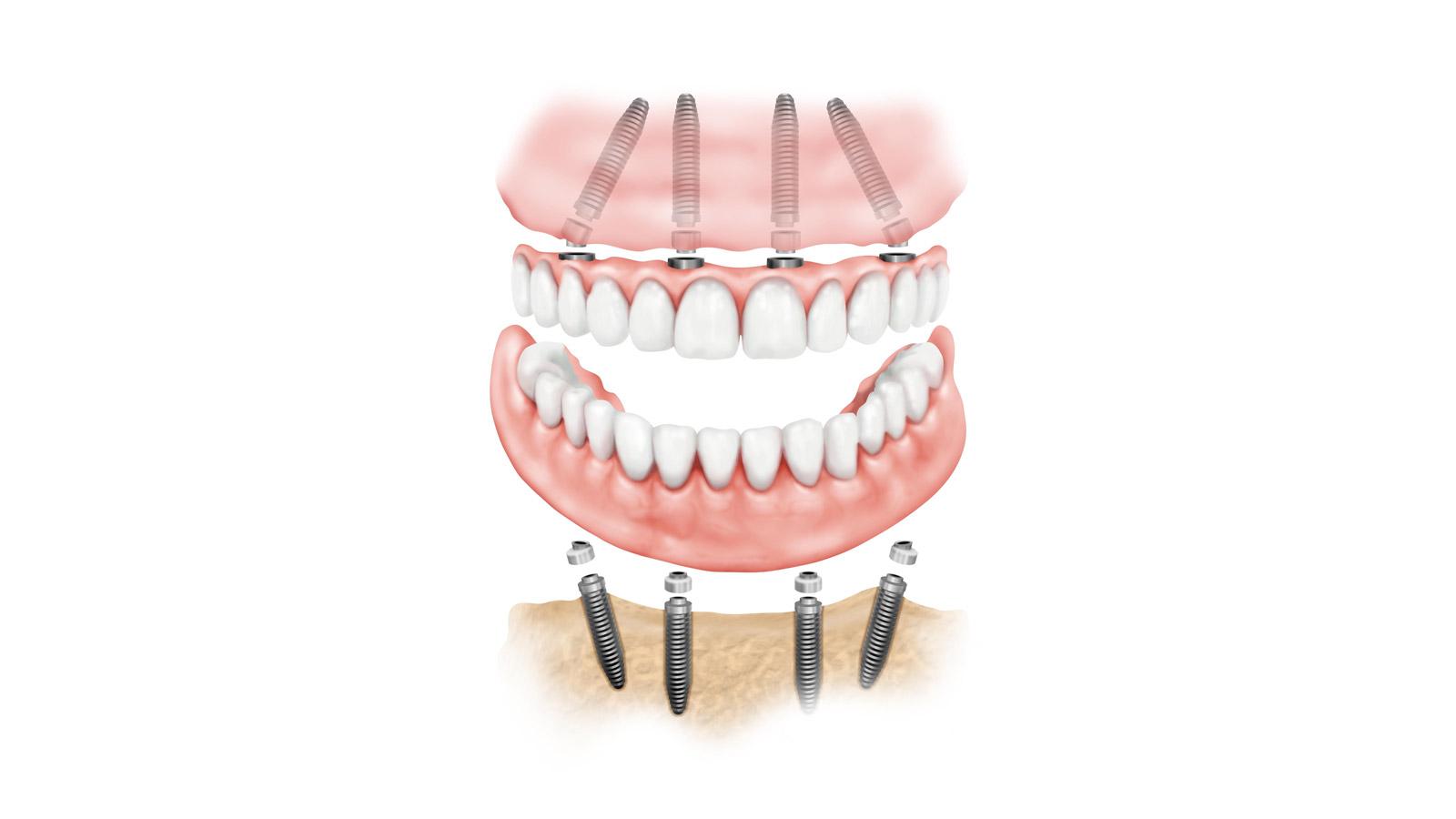
Traditional dentures can replace missing teeth, but some patients experience movement while eating or speaking. Implant-supported dentures offer another approach by using dental implants to provide additional stability for the removable restoration. If you are considering Dental Implants in Dubai, a professional dental clinic in dubai can assess your jawbone, gums, remaining teeth, and overall oral health to determine whether implant-supported dentures may be suitable for you.
What Are Implant-Supported Dentures?
Implant-supported dentures are removable dental restorations that receive support from dental implants placed in the jawbone.
Small attachments connect the denture to the implants, helping keep it more stable during everyday activities. Unlike conventional dentures, the restoration does not rely entirely on suction, gum support, or adhesive products.
How Do Implant-Supported Dentures Work?
Dental implants are first placed into carefully planned positions within the jawbone. After the implants have healed and become stable, attachments are connected to the denture.
The denture can then be secured to the implants while remaining removable for cleaning and maintenance.
The exact attachment system and number of implants depend on the patient's anatomy and treatment plan.
Who May Benefit From Implant-Supported Dentures?
Patients who have lost several or all teeth may potentially benefit from implant-supported dentures.
However, suitability depends on bone volume, gum health, oral hygiene, bite, and overall dental condition. A detailed examination is necessary before treatment.
Advantages of Implant-Supported Dentures
One of the main advantages is improved stability. Implant support can reduce movement compared with some conventional removable dentures.
The added stability may make chewing and speaking more comfortable. Some patients may also feel more confident because the restoration is less likely to move during normal activities.
Implant Dentures vs Traditional Dentures
Traditional dentures rest directly on the gums and are removable. They can be an effective tooth replacement option, but some patients experience movement or difficulty keeping them stable.
Implant-supported dentures use implants as anchors. This can provide additional support, although the restoration still remains removable.
The best option depends on your oral health, bone condition, lifestyle, and treatment preferences.
Are Implant-Supported Dentures Fixed?
In most cases, implant-supported dentures are designed to be removable by the patient.
This differs from a fixed full-arch implant restoration, which is attached to implants and generally remains in place.
Your dentist can explain the difference and recommend the most suitable design for your needs.
Importance of Jawbone Health
Dental implants require adequate bone support. Tooth loss can cause gradual changes in the jawbone, which may affect implant placement.
Diagnostic imaging helps the dentist evaluate the available bone. If additional support is needed, bone grafting or another procedure may be discussed.
Importance of Gum Health
Healthy gums are essential for maintaining the tissues surrounding dental implants.
If gum disease is present, it may need to be treated before implant surgery. After treatment, regular cleaning and professional examinations are important for maintaining the implant-supported restoration.
Initial Consultation
Treatment begins with a consultation and comprehensive oral examination.
The dentist evaluates the gums, jawbone, remaining teeth, bite, and existing denture if you already wear one. Imaging may be used to plan the implant positions.
Treatment Planning
The treatment plan considers the number and position of implants, denture design, available bone, bite, and aesthetic requirements.
Your dentist can also explain whether a removable implant-supported denture or a fixed full-arch restoration would be more appropriate.
Implant Placement
The implants are placed into the jawbone using appropriate surgical techniques and anesthesia.
The exact procedure depends on the number of implants and the condition of the treatment area.
After placement, the implants need time to heal before they can be used to support the denture.
Healing and Integration
During healing, the implants integrate with the surrounding bone.
This process provides the stability required for the attachment system. Healing time varies between patients and can depend on bone quality, implant location, and additional procedures.
Follow-up appointments allow the dentist to monitor progress.
Attaching the Denture
Once the implants are sufficiently stable, the attachment components can be connected to the denture.
The dentist checks the fit, stability, bite, and comfort. Adjustments may be necessary to achieve an appropriate result.
Eating With Implant-Supported Dentures
One benefit of improved denture stability is that patients may find eating more comfortable.
However, patients should follow professional advice during the healing period and gradually return to normal foods as instructed.
Extremely hard or sticky foods may place unnecessary stress on the restoration.
Speaking With Implant Dentures
A new denture can require an adjustment period as the mouth becomes accustomed to the restoration.
Improved stability may make speaking easier for some patients compared with an unstable conventional denture.
Your dentist can provide guidance if speech changes continue after treatment.
Cleaning Implant-Supported Dentures
Although the denture is removable, daily cleaning remains important.
The denture should be cleaned according to the dentist's instructions, and the areas around the implants should also be carefully maintained.
Your dentist may recommend specialized brushes or cleaning tools for the attachment system.
Regular Dental Checkups
Routine appointments allow the dental team to check the implants, gums, attachments, denture fit, and bite.
Over time, the denture or attachment components may require adjustment or maintenance because of normal wear.
Regular examinations can help identify these needs early.
How Long Do Implant-Supported Dentures Last?
The implants are designed as a long-term treatment, but the denture and attachment components may require maintenance or replacement over time.
Oral hygiene, gum health, bite forces, lifestyle habits, and professional care can influence long-term outcomes.
Cost of Implant-Supported Dentures
The overall cost depends on the number of implants, type of denture, attachment system, diagnostic procedures, bone condition, and additional treatments.
Ask the dental provider for a detailed estimate that explains what is included in the treatment plan.
Choosing an Implant Dentist
When selecting a provider for Dental Implants in Dubai, consider qualifications, implant experience, treatment planning, diagnostic technology, hygiene standards, restoration options, and aftercare.
A detailed consultation should explain the differences between conventional dentures, implant-supported dentures, and fixed implant restorations.
Conclusion
Implant-supported dentures can provide greater stability than some traditional removable dentures while still allowing the patient to remove the restoration for cleaning. They may be suitable for people who have lost several or all of their teeth and want additional support.
However, treatment depends on bone condition, gum health, oral hygiene, bite, and individual goals. A qualified dental clinic in dubai can assess your condition, explain the available options, and help you determine whether Dental Implants in Dubai with an implant-supported denture are suitable for your long-term dental needs.

 Bangla