

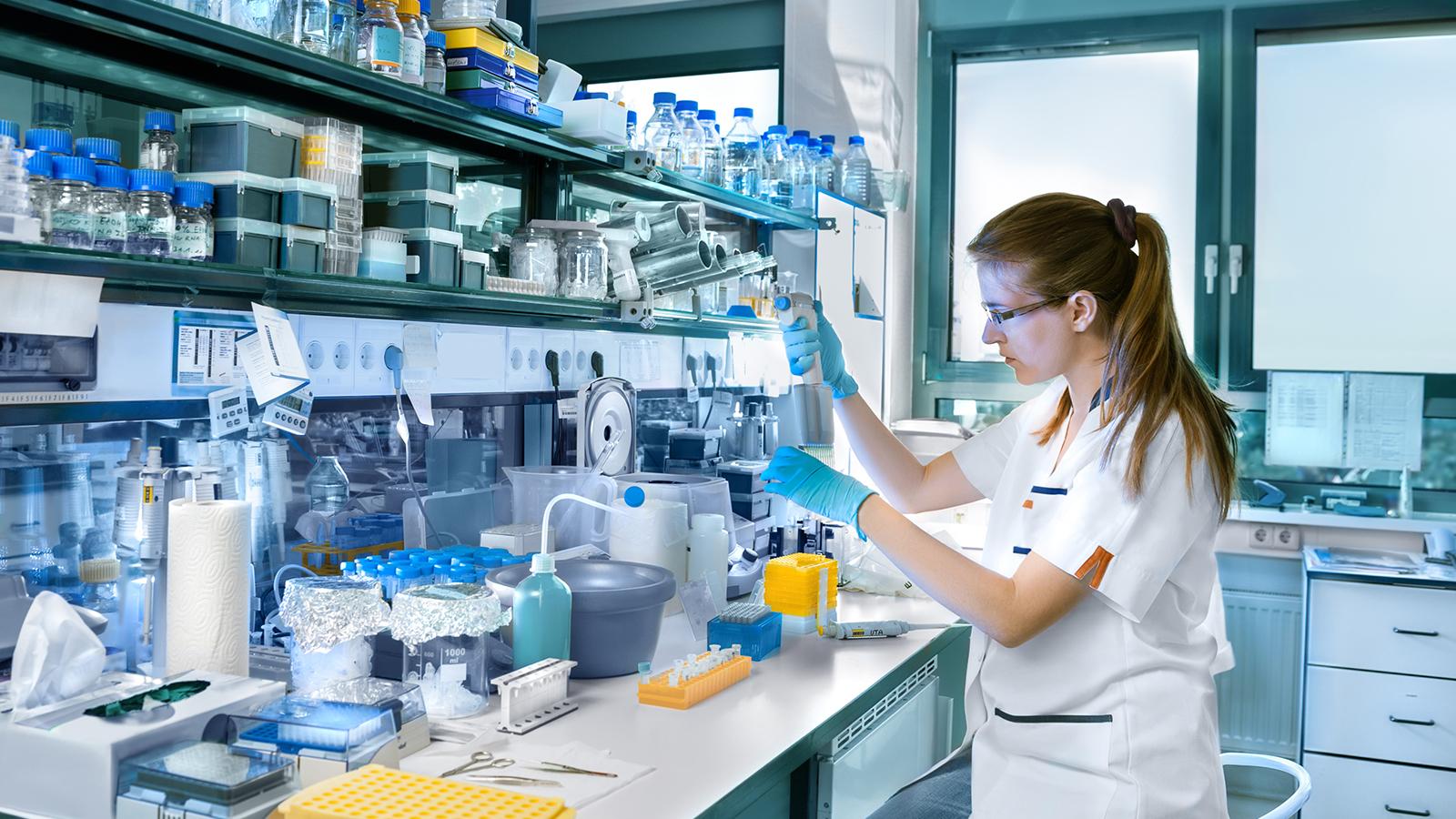

A Lab Test at Home offers a convenient way to complete selected laboratory investigations without travelling to a clinic or diagnostic centre. Instead of arranging transportation and spending time in a waiting area, patients can have a trained healthcare professional visit their home for sample collection. This option can make routine health screening easier for busy professionals, families, older adults, and people who have difficulty travelling.
For people searching for a Blood test in Dubai, home sample collection can provide a practical alternative to visiting a laboratory. Depending on the provider, different blood investigations and other laboratory services may be available at home. Patients can usually schedule a suitable appointment, receive preparation instructions, and have their sample collected professionally before it is sent to a laboratory for analysis.
What Can You Expect From Home Testing?
The home testing process is generally designed to be straightforward from booking through result delivery.
Convenient Appointment Scheduling
Patients can request the laboratory investigation they need and arrange a suitable appointment time.
The provider may ask whether the test was recommended by a doctor and whether any special preparation is required.
Professional Sample Collection
A trained healthcare professional arrives at the patient's home with the necessary equipment.
The professional confirms the patient's information and collects the required sample using appropriate procedures.
Laboratory Analysis
After collection, the specimen is correctly identified and transported to the laboratory.
The laboratory performs the requested investigation and prepares a report after processing.
Enfiled Dental clinic and Different Healthcare Needs
Enfiled Dental clinic provides dental and oral healthcare, while home laboratory testing serves a different purpose. Dental professionals focus on the health of the teeth, gums, and mouth, whereas laboratory services analyze biological samples to provide information about various health conditions.
Patients should choose the appropriate healthcare provider according to the service they require. When laboratory investigations are needed, a suitable home collection service can provide additional convenience while the sample is processed by an appropriate laboratory.
How Can Home Testing Save Time?
Time is one of the main reasons people choose home sample collection.
No Laboratory Travel
Patients do not need to spend time travelling to a laboratory.
The healthcare professional comes to the patient's chosen location, reducing the number of steps involved in completing the investigation.
Less Waiting
A laboratory visit may involve registration and waiting before sample collection.
A scheduled home appointment can make the process more direct and convenient.
Easier for Busy Schedules
People with demanding jobs, family responsibilities, or limited free time may find home collection easier to fit into their daily routine.
Is Home Testing More Comfortable?
Many patients appreciate receiving selected healthcare services in a familiar environment.
Familiar Surroundings
Being at home can make the testing process feel more relaxed for some people.
This can be particularly useful for older adults, children, and people who feel uncomfortable in busy medical environments.
Convenient for Families
Parents may find home collection easier when children also need laboratory investigations.
Instead of travelling to a testing facility, the family can remain at home while the professional performs the required collection.
Who Can Benefit From Home Laboratory Services?
Home testing can be useful for a wide range of patients.
Older Adults
Older adults who have difficulty travelling can benefit from having samples collected at home.
This can make routine health monitoring more accessible.
Working Professionals
People with long working hours may find home appointments more convenient than visiting a laboratory during the day.
People With Mobility Challenges
Home collection can reduce the physical effort associated with travelling to a testing facility.
Families
Families can potentially arrange multiple sample collections during one home visit, depending on the provider's policies and available services.
What Types of Tests Can Be Done?
The available tests depend on the healthcare provider and laboratory.
Routine Blood Investigations
Common blood investigations may include complete blood count, blood glucose, cholesterol, liver function, kidney function, vitamin levels, hormone tests, and other health assessments.
The exact tests required should be based on medical needs or professional recommendations.
Urine Testing
Some urine investigations can also be arranged through home services.
Patients may receive a sterile container and specific instructions for collecting the specimen correctly.
Specialized Investigations
Some providers may offer specialized laboratory investigations through home sample collection.
Patients should confirm availability before booking if they need a particular test.
Do You Need to Prepare Before the Appointment?
Preparation depends on the investigation being performed.
Fasting
Some blood investigations may require fasting, while others do not.
Patients should follow the specific instructions given by the laboratory or healthcare professional.
Medication
Do not stop prescribed medication simply because you are having a laboratory test unless a qualified healthcare professional specifically instructs you to do so.
If you are unsure whether a medication can affect a particular test, ask your healthcare provider.
Hydration
Unless you have been given different instructions, maintaining normal hydration may make blood collection easier.
What Happens During Blood Sample Collection?
A trained professional generally starts by confirming your identity and the tests requested.
The professional cleans the collection area and uses sterile equipment to obtain the required sample.
For a standard blood draw, a needle is inserted into a suitable vein, usually in the arm. The blood is collected into the appropriate tubes.
After the sample is collected, the needle is removed and the area is covered.
The procedure normally takes only a few minutes.
How Is the Sample Handled?
Proper sample handling is an important part of laboratory testing.
Labelling
The specimen needs to be labelled correctly so that it can be associated with the correct patient and requested investigations.
Transportation
The sample should be transported to the laboratory according to the requirements for that particular specimen.
Processing
Once received, laboratory professionals process the sample using the appropriate testing method.
Correct handling throughout these stages helps support useful laboratory results.
Are Home Lab Results Reliable?
The reliability of laboratory results depends on multiple factors.
These include the quality of the specimen, collection technique, timing, transportation, laboratory equipment, testing method, and processing procedures.
Home collection itself does not automatically make a test less reliable. When a sample is collected correctly and processed by an appropriate laboratory, it can provide valuable information about different aspects of health.
How Quickly Can You Get Results?
The reporting time varies according to the type of test.
Routine Tests
Common laboratory investigations may be processed relatively quickly.
Specialized Tests
Some specialized investigations require additional processing time and may take longer.
Patients should ask the provider about the expected turnaround time before scheduling the test.
How Are Results Delivered?
The provider may deliver the laboratory report electronically or through another available reporting method.
Before booking, patients can ask how they will receive their results and whether professional assistance is available if they have questions about the report.
What Should You Do With Your Results?
Laboratory results should be interpreted in context rather than by looking at a single number.
Normal Findings
Results within the stated reference range can be reassuring, but they do not necessarily rule out every health problem.
Abnormal Findings
An abnormal value does not automatically indicate a serious condition.
A healthcare professional can consider your symptoms, medical history, medications, and other factors when interpreting the result.
If your report contains concerning findings, discuss them with a qualified healthcare professional.
Can Home Testing Replace a Doctor?
Home laboratory services can simplify sample collection, but they do not replace medical consultation when professional evaluation is necessary.
A doctor may need to assess symptoms, perform a physical examination, review medical history, interpret laboratory findings, or recommend further testing.
Home testing should therefore be considered a convenient healthcare service rather than a replacement for complete medical care.
How Can You Choose a Suitable Provider?
Before scheduling an appointment, confirm that the provider offers the investigation you require.
It is also useful to ask about professional sample collection, laboratory processing, preparation requirements, result delivery, turnaround time, and any additional requirements.
A provider that clearly explains the process can help make the experience easier.
Why Is Home Testing Useful for Preventive Healthcare?
Routine health monitoring can help people stay aware of important health measurements when testing is medically appropriate.
Home sample collection can remove some of the practical barriers that cause people to postpone laboratory appointments.
However, patients should avoid unnecessary testing and follow recommendations from qualified healthcare professionals.
What Should First-Time Users Know?
First-time users should confirm the exact test before booking and ask whether any preparation is necessary.
It is also helpful to keep relevant medical information or a doctor's test request available when required.
During the appointment, provide accurate information to the healthcare professional and follow the sample collection instructions carefully.
Final Thoughts
A Lab Test at Home can make healthcare more convenient by allowing selected laboratory samples to be collected directly from a patient's residence. It can save travel time, reduce waiting, provide a comfortable environment, and improve access for older adults, busy professionals, families, and people with mobility difficulties. The available investigations vary between providers, and preparation requirements depend on the specific test. Professional sample collection and proper specimen handling are important for obtaining useful laboratory results. Once the report is available, it should be interpreted according to the laboratory's reference ranges and the patient's overall health. Home testing is a convenient part of modern healthcare, but it should complement rather than replace professional medical advice when a full clinical evaluation is needed.
