


Allergy Test Preparation: Do You Need to Fast or Stop Medications?
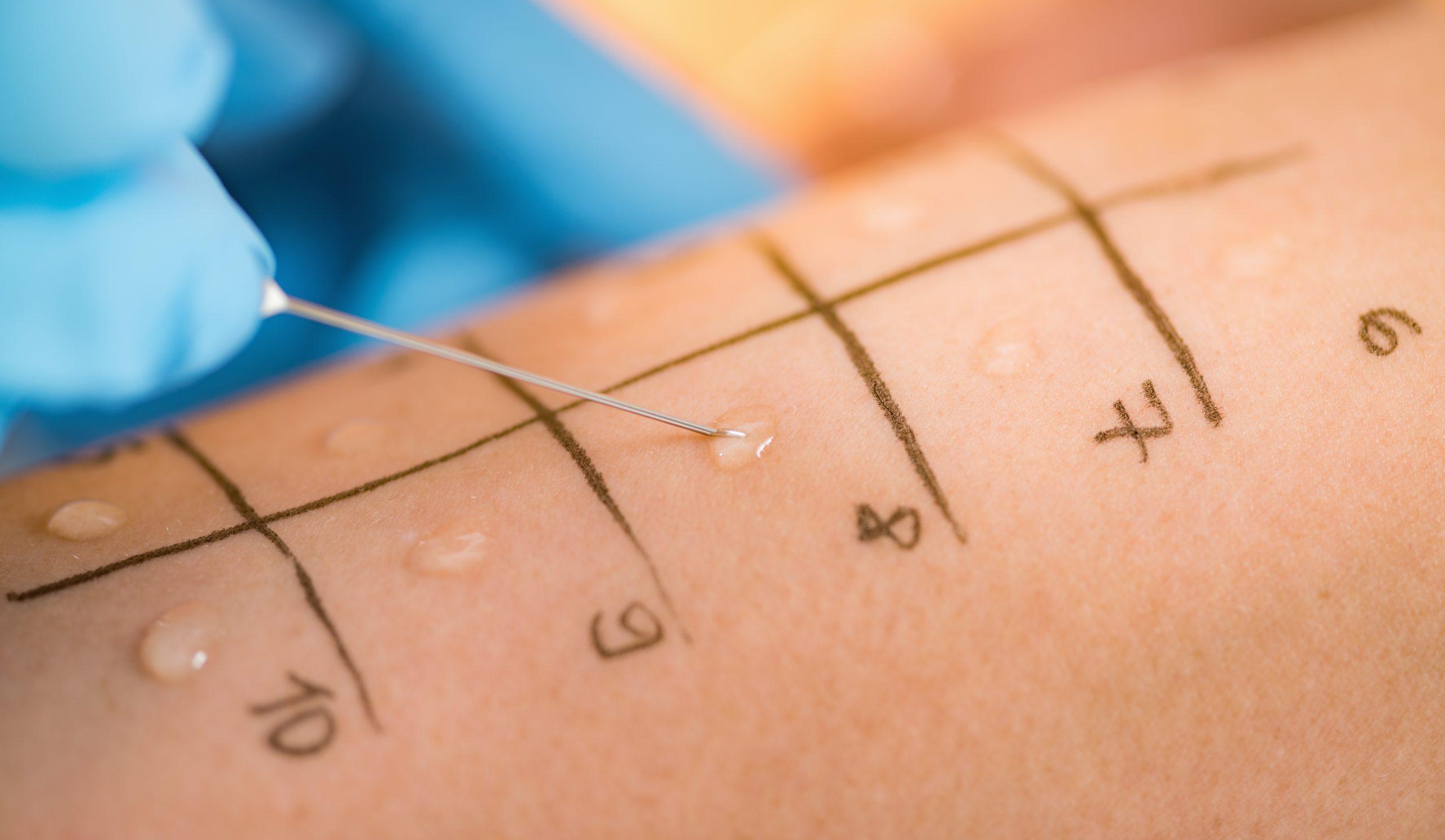
Preparing for an allergy test can feel confusing, especially when you are unsure whether you should avoid food, stop your usual medicines, or change your daily routine before the appointment. The good news is that most allergy tests require relatively simple preparation.
However, preparation depends on which allergy test you are having. A skin prick test, allergy blood test, patch test, and food challenge each have different requirements. Some medications can affect certain results, while fasting is generally not necessary for many common allergy evaluations.
Understanding what to do before Allergy Test in Dubai can help you arrive prepared and avoid unnecessary changes to your routine.
Start With One Question: What Type of Allergy Test Are You Having?
There is no single preparation rule for every allergy test.
Your healthcare professional may recommend:
-
A skin prick allergy test
-
An intradermal skin test
-
A specific IgE blood test
-
Patch testing
-
A supervised oral food challenge
-
Another targeted allergy evaluation
The preparation instructions depend largely on the method being used.
For example, antihistamines can interfere with some skin allergy tests, whereas they generally do not prevent a specific IgE blood test from measuring antibodies in the same way.
Before changing anything, confirm the exact test you are scheduled to receive.
Do You Need to Fast Before an Allergy Test?
For most routine allergy tests, fasting is not usually required.
If you are having a skin prick test, you can generally eat and drink normally unless your healthcare provider gives you different instructions.
The same is often true for a specific IgE blood test. Unlike some blood tests that measure glucose or cholesterol, allergy blood testing generally does not require fasting simply because blood is being drawn.
However, there can be exceptions.
If your healthcare provider has ordered other blood tests at the same appointment, those tests may have separate fasting requirements. A food challenge also follows a specific medical protocol that may include instructions about eating before the procedure.
Therefore, do not assume that you need to fast just because you are having an allergy blood test.
The Medication Question Matters More Than Fasting:
For many patients, the most important part of allergy test preparation is medication review.
Certain medicines can interfere with skin testing by reducing the skin's ability to produce the reaction used to interpret the test.
The most familiar example is antihistamines.
Antihistamines are commonly used to control symptoms such as sneezing, itching, hives, and a runny nose. Because they can suppress allergic skin reactions, they may need to be paused before some skin tests.
The exact timing varies depending on the medication.
Do not guess how long you should stop taking a medicine. Your allergy specialist or testing clinic should tell you whether a particular medicine needs to be avoided and for how long.
Should You Stop Antihistamines Before a Skin Prick Test?
Often, healthcare professionals ask patients to avoid certain antihistamines before a skin prick allergy test.
This may include some commonly used allergy medicines, although the effect and recommended interruption period can vary.
The purpose is not to make you uncomfortable. It is to give the skin a better chance of responding normally to the test controls and allergens.
If you take antihistamines regularly, contact the testing clinic before the appointment and provide the names and doses of your medicines.
Do not stop a medication without professional guidance, particularly if it is being used to control a significant medical condition.
What About Nasal Sprays and Other Allergy Medicines?
Not every allergy medication affects skin testing in the same way.
Some nasal treatments, inhaled medicines, eye drops, stomach medicines, antidepressants, or other drugs may have varying effects depending on their ingredients and the type of test being performed.
This is why it is better to provide the testing team with a complete medication list rather than deciding which medicines are safe to continue yourself.
Include prescription medicines, over-the-counter products, and regular supplements when discussing preparation.
If you are uncertain about a product, ask before the appointment.
Can You Take Your Regular Prescription Medicines?
In many cases, patients can continue medications that do not interfere with the specific allergy test.
But there is an important safety rule:
Do not stop prescription medication simply because you are scheduled for allergy testing.
Some medicines are necessary for controlling blood pressure, breathing problems, heart conditions, neurological conditions, or other health issues.
Your healthcare professional can determine whether any medication needs to be adjusted.
If a medicine must be stopped temporarily, you should receive clear instructions about when to stop it and when it can be restarted.
What If You Are Having an Allergy Blood Test?
Preparation for an allergy blood test is often straightforward.
Specific IgE testing requires a blood sample that is analyzed for antibodies associated with sensitization to selected allergens.
Because this test does not depend on a skin reaction, antihistamines generally do not create the same testing issue that they can with skin prick testing.
Fasting is also usually unnecessary for a routine specific IgE test.
Still, tell the laboratory or ordering clinician about your medications and follow any instructions given to you. If several blood tests are being performed together, preparation requirements may differ.
Preparation for Patch Testing Is Different:
If your doctor suspects allergic contact dermatitis, patch testing may be recommended.
This type of testing evaluates delayed skin reactions to substances that come into contact with the skin, such as fragrances, preservatives, metals, adhesives, cosmetics, or other ingredients.
Preparation may involve avoiding certain creams or treatments on the areas where patches will be applied.
The skin also needs to remain suitable for accurate evaluation during the testing period.
Because patch testing often involves several visits or readings, follow the clinic's instructions carefully.
This is another reason there is no universal allergy test preparation checklist that applies to every patient.
What About Food Allergy Testing?
Food allergy evaluation may involve skin prick testing, specific IgE blood testing, or, in selected cases, a supervised oral food challenge.
If a food challenge is planned, preparation is especially important.
The healthcare team may provide detailed instructions about meals, medications, exercise, illness, and what foods or products to avoid before the appointment.
Never perform a home food challenge to determine whether you are allergic to a food. A medically supervised challenge is designed to provide controlled observation and appropriate treatment if a reaction occurs.
What Should You Tell the Allergy Specialist Before Testing?
A detailed history can be just as important as the test itself.
Before your appointment, be prepared to explain:
-
What symptoms you experience
-
Which substance you suspect
-
How quickly symptoms appear after exposure
-
How long the symptoms last
-
Whether the reaction has happened repeatedly
-
What medications you took during previous reactions
-
Whether you have had allergy testing before
-
Which medicines you currently use
If possible, write down the names of your medications before your visit.
A photograph of a previous rash may also be useful if the skin reaction has disappeared by the time you are examined.
A Simple 24-Hour Preparation Check:
Rather than memorizing complicated rules, use a simple preparation routine.
Check the Test Type:
Confirm whether you are having skin prick testing, blood testing, patch testing, or another procedure.
Check Your Medication List:
Ask the clinic whether antihistamines or any other medicines need to be stopped.
Do Not Stop Medicines Independently:
If you take prescription medication, wait for professional instructions before changing your schedule.
Ask About Food:
Unless your clinic specifically tells you to fast, routine allergy testing usually does not require fasting.
Wear Suitable Clothing:
For skin testing, comfortable clothing that allows easy access to the forearm or upper back can make the appointment more convenient.
Arrive With Your Questions:
If you are unsure about any preparation instruction, clarify it before testing rather than guessing.
What Happens During a Typical Skin Allergy Test?
For a skin prick test, selected allergen extracts are placed on the skin along with appropriate controls.
The skin is gently pricked, and the healthcare professional waits for reactions to develop.
A positive response may produce a small raised, itchy area.
The reactions are then measured and interpreted in relation to the control results and your medical history.
The procedure is generally quick, although the exact experience varies between patients and clinics.
What If You Accidentally Take an Antihistamine?
Do not panic.
If you accidentally take an antihistamine before a scheduled skin test, tell the healthcare professional.
Depending on the medication, dose, timing, and type of testing planned, the clinic may decide that testing can continue, may adjust the evaluation, or may reschedule it.
Do not hide the medication because you are worried about delaying the appointment.
Accurate information helps the healthcare professional interpret the results safely.
Can You Exercise Before Allergy Testing?
For ordinary allergy testing, normal daily activity is often acceptable unless the clinic gives you different instructions.
However, if you are preparing for a specific procedure such as an oral food challenge, follow the protocol provided by the medical team because activity and other factors may be restricted.
If you are unsure whether exercise, a meal, or another activity could affect your appointment, ask the testing center.
Why Following Instructions Improves the Value of Testing?
Proper preparation helps the healthcare professional obtain results that can be interpreted more confidently.
If a medication suppresses a skin reaction, for example, a skin prick test may become harder to interpret.
At the same time, unnecessary medication changes can create their own problems.
Good preparation is therefore about finding the right balance: avoid factors that can interfere with the test while continuing necessary treatment unless your healthcare professional tells you otherwise.
What Happens After the Allergy Test?
After testing, your healthcare professional will interpret the findings alongside your symptoms and exposure history.
A positive result may indicate sensitization, but it does not automatically prove that the allergen causes symptoms in everyday life.
A negative result may make sensitization less likely but does not necessarily explain every symptom.
The next step may involve allergen avoidance, medication, additional testing, treatment planning, or investigation of non-allergic causes.
Final Takeaway:
For most routine allergy Lab tests, fasting is not usually necessary, but preparation depends on the specific test.
Medication review is particularly important before skin prick testing because antihistamines and certain other medicines can interfere with skin reactions. Allergy blood tests generally have fewer medication-related preparation concerns, while patch testing and food challenges have their own specific instructions.
The safest approach is simple: confirm the type of test, provide a complete medication list, follow the testing clinic's instructions, and never stop prescription medicines without professional advice.
If you are unsure whether you should eat, fast, or pause a medication before your appointment, contact the healthcare professional performing the test. A few minutes of clarification can help ensure that your allergy evaluation is both safe and useful.

 Bangla