


Does Botox Injection Price Vary for Medical Applications?
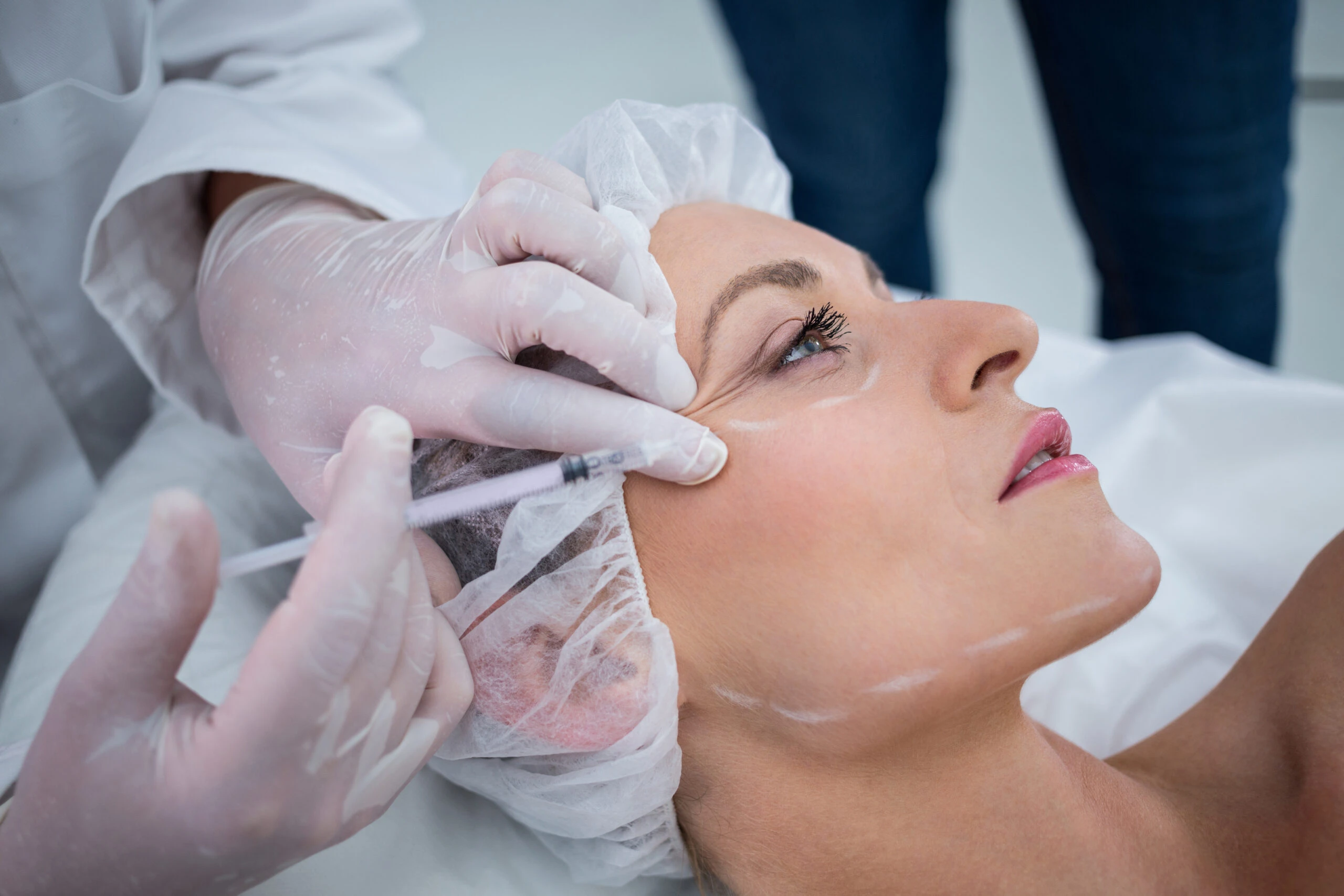
Botox is widely known for its cosmetic uses, but it also has several medical applications, including the management of muscle spasms, chronic migraines, and excessive sweating. Understanding the factors behind treatment planning can help patients explore Botox dubai price and learn how medical treatments differ from cosmetic procedures. Dynamic Clinic in Dubai provides information about Botox treatments, helping individuals understand their potential uses and the importance of a professional medical assessment.
How Does Medical Botox Differ from Cosmetic Botox?
Although both treatments use botulinum toxin, their purposes and treatment approaches can differ. Cosmetic Botox is commonly used to soften the appearance of expression lines by temporarily relaxing specific facial muscles. Medical Botox targets particular muscles, nerves, or glands to help manage certain health conditions.
The treatment plan depends on the diagnosis, the affected area, symptom severity, and the patient's medical history. Medical applications may also require different injection patterns and follow-up schedules than cosmetic treatments.
Which Medical Conditions Can Botox Help Manage?
Botulinum toxin is used in several medical specialties. A qualified healthcare professional determines whether it is suitable based on the condition and available clinical evidence.
Common medical applications include:
- Chronic migraine: Botox can help prevent headaches in eligible adults who experience chronic migraine, generally defined as headaches on 15 or more days per month, with migraine features on at least eight days.
- Muscle spasticity: In selected patients, injections can reduce excessive muscle stiffness associated with certain neurological conditions.
- Cervical dystonia: Treatment may help manage involuntary neck muscle contractions and abnormal head positioning.
- Overactive bladder: Specific formulations are used in appropriate patients to treat certain bladder symptoms.
- Severe underarm sweating: Botox can reduce excessive sweating when standard topical treatments have not provided adequate relief.
- Certain eye muscle disorders: It may be used to manage conditions such as strabismus and some forms of abnormal eyelid closure.
Not every Botox formulation is approved for every condition. Treatment eligibility depends on the patient's diagnosis, local regulations, and the product's approved indications.
What Factors Influence Medical Botox Treatment Planning?
Medical Botox treatment is tailored to the patient's symptoms and clinical needs. Several factors influence how a healthcare professional develops an appropriate treatment plan.
The Type and Severity of the Condition
Different conditions require different injection techniques and treatment schedules. For example, chronic migraine prevention involves treating specific head and neck areas, while muscle spasticity treatment focuses on selected affected muscles.
The Number of Treatment Areas
The number and location of injection sites depend on the condition being managed. Some medical applications involve several muscles or anatomical regions, while others focus on a smaller, more specific area.
Dosage and Product Formulation
The dose is determined by the condition, the muscles or tissues involved, the patient's response, and the specific product used. Units of one botulinum toxin product are not interchangeable with units of another, making correct product selection essential.
Previous Treatment Response
A patient's response to earlier injections can guide future treatment decisions. The healthcare professional may review symptom improvement, the duration of benefits, side effects, and any changes in the patient's health before recommending another session.
Why Is Medical Assessment Important Before Botox?
A medical assessment helps establish whether Botox is appropriate and whether another treatment may be more suitable. During the consultation, the healthcare professional may review current symptoms, medical history, medications, allergies, previous injections, and treatment goals.
Patients should disclose conditions that may affect treatment safety, including certain neuromuscular disorders, swallowing difficulties, or breathing problems. Pregnancy, breastfeeding, and the use of particular medicines should also be discussed.
Botulinum toxin can cause side effects such as injection-site discomfort, bruising, headache, or temporary muscle weakness. In rare cases, the effects may spread beyond the injection area and cause serious problems, including difficulty swallowing or breathing. New or worsening breathing or swallowing difficulties require urgent medical attention.
How Long Do Medical Botox Results Last?
The duration of benefit varies according to the condition treated, the formulation used, the dose, and individual response. Some patients notice improvement within several days, while others may need longer before the full effect becomes apparent.
Benefits are temporary, so repeat treatment may be considered when clinically appropriate. The interval between sessions depends on the specific medical indication and the treating professional's recommendations. Patients should not arrange repeat injections more frequently than advised.
What Should Patients Ask Before Treatment?
A clear consultation helps patients make informed decisions and understand what to expect. Useful questions include:
- Is Botox an appropriate option for my diagnosed condition?
- What benefits can reasonably be expected?
- How soon might the treatment begin to work?
- What side effects or precautions should I understand?
- Will I need follow-up appointments or repeat treatment?
- Are there alternative treatments I should consider?
These questions encourage a discussion based on clinical needs rather than assumptions about the treatment.
Conclusion
Botox has established medical uses beyond cosmetic wrinkle reduction, but its suitability depends on the condition being treated and the patient's individual circumstances. Treatment planning considers the diagnosis, injection sites, dosage, previous response, and safety requirements. Anyone considering medical Botox should seek an assessment from a qualified healthcare professional who can explain the expected benefits, possible risks, and appropriate follow-up care.

 Bangla