


How to Prepare for a Medical Assessment Before Mounjaro Treatment
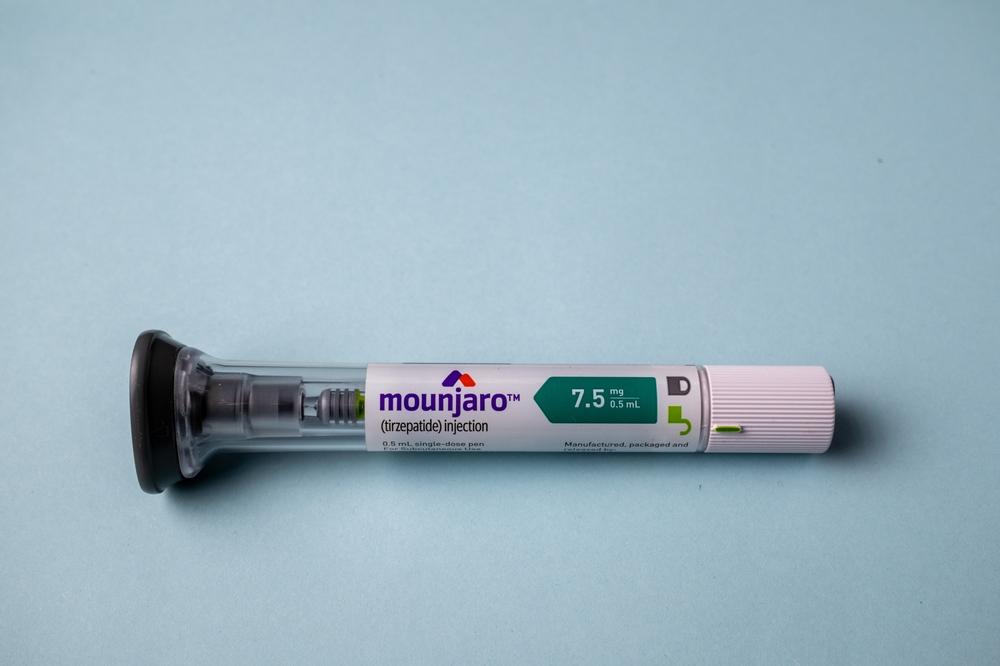
Preparing for a medical assessment is an essential step before starting Mounjaro treatment. Mounjaro injection in Dubai (tirzepatide) is a prescription medicine used to improve blood sugar control in adults with type 2 diabetes and, in some jurisdictions, for other approved indications under specific brand names and prescribing guidelines. Its suitability depends on the patient's medical history, health status, and treatment goals.
A medical assessment helps a qualified healthcare professional determine whether the medication is appropriate, identify potential risks, and establish a safe treatment plan. Patients considering Mounjaro injection in Dubai should approach the consultation as an opportunity to understand the treatment, discuss concerns, and receive advice based on their individual circumstances.
Gather Your Medical History Before the Appointment
One of the most useful ways to prepare is to organize your medical history. Your healthcare professional needs an accurate overview of your current health and any conditions that may affect treatment decisions.
Before your appointment, make a note of:
-
Existing medical conditions, including diabetes and digestive disorders.
-
Previous surgeries and significant medical procedures.
-
Any history of pancreatitis or gallbladder problems.
-
Kidney-related conditions or dehydration concerns.
-
Previous experiences with weight-management treatments.
-
Allergies or reactions to medicines.
Be honest about your health history, even if some details seem unrelated to weight management. This information allows the clinician to assess possible risks and decide whether further investigations are necessary.
Prepare a List of Current Medications and Supplements
Bring a complete list of prescription medicines, over-the-counter products, vitamins, and supplements you currently use. Include the dose and frequency whenever possible.
This step is particularly important for people taking insulin or sulfonylureas, as combining these medicines with tirzepatide can increase the risk of low blood sugar. Mounjaro also delays stomach emptying, which may affect the absorption of some oral medicines.
Tell your healthcare professional if you use another medicine containing tirzepatide or another GLP-1 receptor agonist. Do not start, stop, or adjust any medication independently.
If you are pregnant, planning a pregnancy, or breastfeeding, discuss this before treatment. Also disclose any planned surgery or procedure involving anaesthesia or deep sedation because delayed stomach emptying may affect procedural safety.
Understand Your Health Goals and Expectations
Before attending your assessment, think about what you want to achieve through treatment. Your goals may involve improving blood sugar control, managing weight where medically appropriate, or addressing other health concerns identified by your clinician.
Write down your questions and explain any previous challenges with diet, physical activity, or weight-management programmes. This helps your healthcare professional understand your needs and recommend appropriate support.
It is important to maintain realistic expectations. Mounjaro does not produce identical results for everyone, and treatment outcomes depend on several factors, including the indication, prescribed regimen, lifestyle, and individual response. A clinician can explain likely benefits, limitations, and the importance of ongoing monitoring.
Know What to Expect During the Medical Assessment
A medical assessment before Mounjaro treatment may include several checks, depending on your health history and the reason for treatment.
Review of Your Health and Symptoms
The clinician may ask about your current symptoms, previous treatments, family medical history, and any relevant health concerns. Be prepared to discuss digestive symptoms, previous episodes of low blood sugar, and any unexplained abdominal pain.
Physical Measurements and Medical Tests
Depending on your circumstances, the assessment may include blood pressure, weight, body mass index (BMI), and other relevant measurements. Blood tests, such as blood glucose or HbA1c, may be recommended when clinically appropriate. Additional tests depend on your medical history and the clinician's judgment.
Discussion of Risks and Side Effects
Ask about possible side effects, including nausea, vomiting, diarrhoea, constipation, and abdominal discomfort. More serious concerns, such as pancreatitis, gallbladder problems, severe dehydration, or allergic reactions, should also be explained.
Your clinician should discuss warning signs, when to seek urgent medical care, and how follow-up appointments will be arranged.
Prepare Questions for Your Mounjaro Consultation
A prepared patient can make better use of consultation time. Consider asking:
-
Am I medically suitable for Mounjaro treatment?
-
What benefits and risks apply to my health situation?
-
What starting dose and dose-escalation schedule are appropriate?
-
How should I manage common side effects?
-
What monitoring and follow-up appointments will I need?
-
What should I do if I miss a dose?
-
How will my progress and treatment response be evaluated?
These questions help you understand the treatment process and make an informed decision with your healthcare professional.
Follow Practical Steps Before Your Appointment
You generally do not need to make major changes to your routine before a medical assessment unless your clinic gives specific instructions. Instead, focus on providing accurate information and arriving prepared.
Bring identification, relevant medical records, recent test results if available, and your medication list. Write down any symptoms or concerns you want to discuss. If you are unsure whether you need to fast before a blood test, ask the clinic in advance rather than assuming fasting is required.
Avoid obtaining Mounjaro from unverified sources or starting injections before a qualified professional has reviewed your suitability and prescription requirements.
Mounjaro Assessment at Tajmeels Clinic in Dubai
At tajmeels clinic dubai, patients considering Mounjaro treatment can discuss their health history, individual goals, and treatment-related concerns during a medical consultation. A personalized assessment should consider relevant medical conditions, current medications, potential contraindications, and the need for appropriate monitoring.
Patients should use the consultation to understand whether treatment is suitable for them, what follow-up care may involve, and which lifestyle measures can support their broader health goals. The final treatment decision should be based on an individualized clinical evaluation rather than weight-loss expectations alone.
Conclusion
Preparing for a medical assessment before Mounjaro treatment helps patients approach the process with confidence and make informed decisions. Organizing your medical history, reviewing current medications, understanding possible risks, and preparing relevant questions can make the consultation more productive.
For people exploring Mounjaro injection in Dubai, a qualified medical assessment is an important first step toward appropriate, supervised care. Always follow professional prescribing advice and attend recommended follow-up appointments to support safe and responsible treatment.
More Information
Tajmeels Clinic Dubai
WhatsApp: +971 56 203 8751
Phone: tel:+971 43739000
Social Media:

 Bangla