


Chimney Inspections and Masonry Repair: A Practical Guide to Protecting Your Home
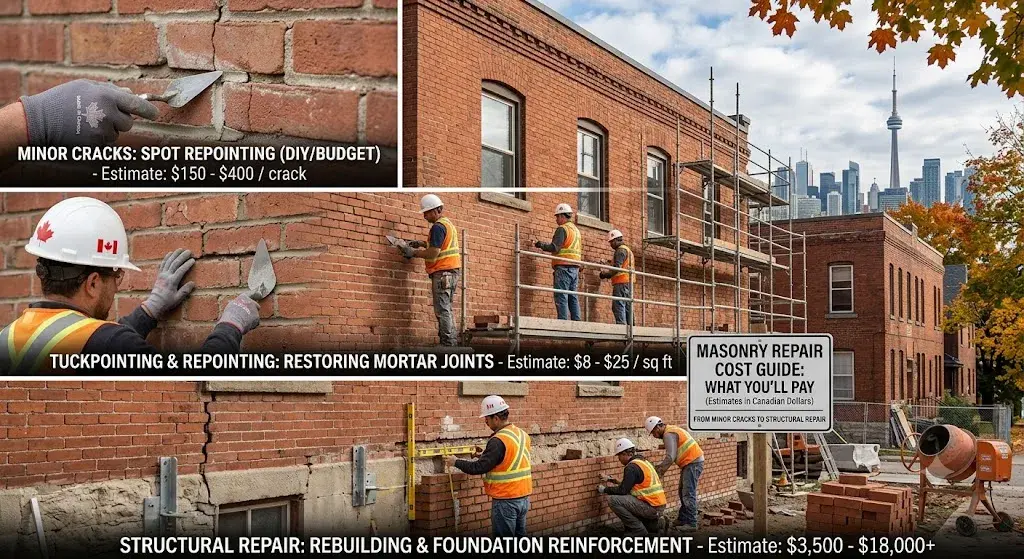
A chimney does more than enhance your home's appearance. It supports fireplace ventilation and helps maintain the safe operation of compatible heating systems. However, constant exposure to rain, wind, temperature changes, and moisture can gradually weaken its brickwork and mortar joints. Regular chimney inspections help identify early signs of deterioration, while professional masonry repair restores damaged materials and protects the structure from further damage. By combining preventive maintenance with timely repairs, homeowners can reduce the risk of expensive structural problems, improve weather resistance, and keep their chimneys in better condition throughout the year.
Why Regular Chimney Inspections Are Important
Many chimney problems develop gradually and remain unnoticed until visible damage appears inside the house. Small cracks, deteriorating mortar, and damaged flashing can allow moisture to enter the structure long before a major leak becomes apparent.
Routine chimney inspections help identify these concerns before they require extensive restoration. A professional assessment can reveal loose bricks, damaged chimney crowns, deteriorated mortar joints, and other conditions that may affect the chimney's durability.
Inspections are especially valuable for older properties, chimneys exposed to harsh weather, and homes where fireplaces or fuel-burning appliances are used regularly. They also provide an opportunity to identify issues that require immediate attention rather than waiting for visible deterioration to spread.
For chimneys serving fireplaces or fuel-burning appliances, annual professional inspection is widely recommended, even when no problems are apparent. Additional inspections may be appropriate following severe weather, suspected leaks, or significant damage.
Common Problems Identified During Chimney Inspections
A thorough inspection considers the condition of accessible chimney components and looks for signs of deterioration, moisture intrusion, and potential safety concerns.
1. Cracked or Deteriorating Mortar
Mortar connects individual bricks and helps protect the joints between them. Over time, moisture and weather exposure can cause mortar to crack, crumble, or recede.
When these joints deteriorate, water can enter the masonry more easily. A professional may recommend repointing if the bricks remain sound but the mortar requires replacement.
2. Damaged or Loose Bricks
Bricks may crack, flake, or become loose because of moisture penetration, freeze-thaw cycles, ageing materials, or structural movement.
An inspection helps determine whether individual bricks need replacement or whether the damage indicates a more extensive structural concern.
3. Chimney Crown Deterioration
The chimney crown protects the top of the masonry structure from water penetration. Cracks or damaged sections can allow moisture to enter the brickwork and contribute to deterioration.
Depending on the condition, repairs may involve sealing suitable minor cracks with appropriate materials or rebuilding a severely damaged crown.
4. Faulty Chimney Flashing
Flashing creates a protective connection where the chimney meets the roof. If the metal becomes loose, corroded, or improperly sealed, rainwater may enter the roof structure.
Inspectors look for visible gaps, deteriorating sealant, and water stains that could indicate flashing problems.
5. Moisture and Interior Damage
Water stains, damp insulation, peeling paint, and musty smells near a chimney may indicate moisture intrusion. The source could be damaged masonry, flashing, the crown, or another roofing component.
Identifying the cause is essential because repairing only the visible damage may not prevent the problem from returning.
How Masonry Repair Restores Chimney Strength
Professional masonry repair addresses damage to the bricks, mortar, and other masonry components that form the chimney. The appropriate method depends on the extent of deterioration, the materials used in the original construction, and the underlying cause.
Repointing mortar joints: Deteriorated mortar is removed carefully and replaced with compatible mortar. This helps restore the joints and reduce water penetration without unnecessarily damaging the surrounding bricks.
Replacing damaged bricks: Severely cracked or spalled bricks may need to be removed and replaced. Matching the existing brickwork helps preserve the chimney's original appearance.
Repairing the chimney crown: Damaged crowns can be restored or rebuilt to improve protection against rainwater. The chosen solution depends on the crown's condition and construction.
Fixing flashing problems: Repairing or replacing defective flashing helps prevent water from entering where the chimney intersects the roof.
Rebuilding unstable sections: Extensive masonry deterioration may require partial rebuilding instead of repeated patching. A professional assessment helps establish the safest and most durable approach.
Effective masonry repair should address both the visible damage and the conditions that caused it.
The Connection Between Moisture and Masonry Damage
Water is one of the most common contributors to chimney deterioration. Rain can enter through cracked mortar joints, damaged crowns, defective flashing, and exposed masonry surfaces.
Once moisture penetrates the structure, repeated wetting and drying can weaken vulnerable materials. In colder climates, water trapped within bricks may freeze and expand, increasing the likelihood of cracking and surface flaking.
Preventing further deterioration requires identifying and correcting the source of moisture. Repointing may be appropriate when mortar joints have failed, but it will not resolve a leak caused by defective flashing or a damaged chimney cap.
Similarly, applying waterproofing products without repairing existing defects may conceal the symptoms rather than solve the underlying problem. Where protective treatments are suitable, breathable products designed for masonry should be considered to avoid trapping moisture inside the structure.
How Often Should You Schedule Chimney Inspections?
The ideal inspection schedule depends on chimney usage, age, construction, and exposure to weather.
For chimneys connected to fireplaces or fuel-burning appliances, an annual inspection is a widely recognised recommendation. A professional can assess the condition of accessible components and determine whether cleaning, repairs, or further examination is necessary.
Additional inspections may be worthwhile after severe storms, roof replacement, visible brick damage, or suspected water leaks. Older chimneys may also benefit from closer monitoring when mortar joints or masonry surfaces show signs of deterioration.
Keeping a record of inspection findings and completed repairs can help homeowners track recurring issues and plan maintenance more effectively.
Practical Ways to Maintain Your Chimney
Preventive maintenance can reduce the likelihood of extensive repairs and help keep your chimney in good condition.
-
Check visible masonry for cracks, loose bricks, and crumbling mortar from a safe location.
-
Keep gutters and downspouts clear to support proper drainage.
-
Address water stains and recurring leaks promptly.
-
Arrange professional assessments after significant weather events or when damage becomes visible.
-
Use compatible mortar and replacement bricks during restoration.
-
Avoid covering damaged masonry with ordinary paint or unsuitable sealants.
-
Keep records of previous repairs to help identify recurring problems.
If your chimney is leaning, bulging, or shedding bricks, keep people away from the affected area and contact a qualified professional promptly.
Choose Preventive Care for Long-Term Chimney Protection
A chimney can remain durable and attractive for many years when its masonry is maintained and developing problems are addressed early. Regular chimney inspections help uncover hidden deterioration, while professional masonry repair restores damaged mortar joints, bricks, and other vulnerable components.
Waiting until a leak becomes severe or bricks begin falling can lead to more extensive repairs and additional damage to nearby roofing or interior structures. A preventive approach makes it easier to identify problems, select appropriate solutions, and protect the long-term condition of your home.
If you notice cracked mortar, loose bricks, water stains, or a deteriorating chimney crown, consider arranging a professional assessment. Timely maintenance and suitable repairs can help preserve your chimney's structural condition, improve weather resistance, and provide greater peace of mind for years to come.

 Bangla