


Tyre Fitting: A Complete Guide for Drivers
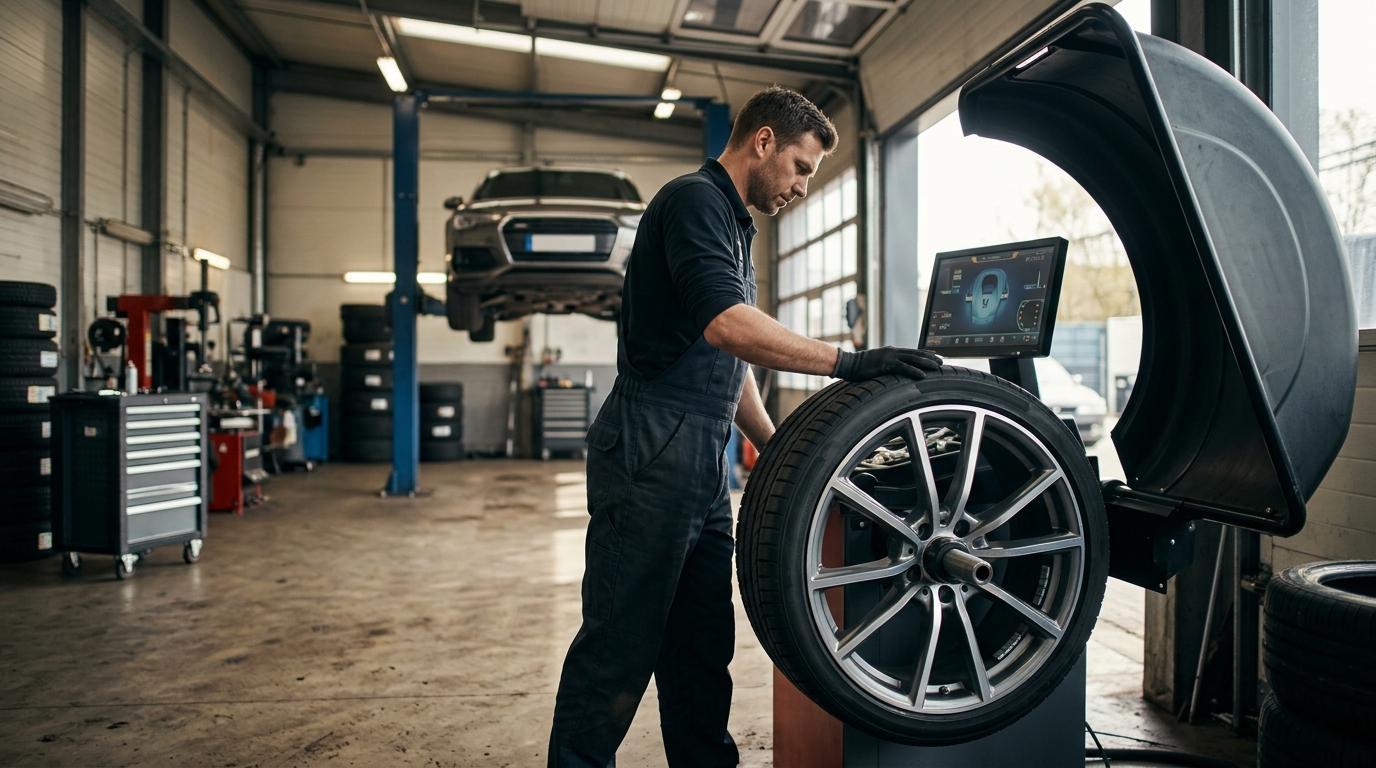
Tyres play an important role in vehicle safety, handling, and overall driving performance. They maintain contact with the road, support the vehicle's weight, and help provide reliable braking and steering. Tyre fitting is the process of removing an existing tyre from a wheel and installing a suitable replacement correctly. Whether a tyre has worn down, suffered damage, or needs replacing because of age, proper installation helps drivers maintain a safe and comfortable driving experience.
Understanding the fitting process can help vehicle owners make better maintenance decisions. It also allows them to recognise when professional assistance may be necessary. From selecting the correct tyre size to checking pressure after installation, several details contribute to a successful replacement.
What Is Tyre Fitting?
Tyre fitting involves installing a tyre onto a vehicle's wheel and ensuring that the assembly is ready for safe use. The process may include removing the old tyre, inspecting the wheel, mounting the replacement, balancing the wheel, and checking inflation pressure.
Although the procedure may appear straightforward, it requires suitable equipment and technical knowledge. Incorrect installation can affect vehicle handling, cause uneven tyre wear, and create safety concerns.
The correct replacement tyre must match the vehicle's specifications. Drivers should consider the recommended size, load rating, speed rating, and other requirements listed in the vehicle handbook or on the manufacturer's information label.
When Should You Replace Your Tyres?
Knowing when a tyre needs replacement can help prevent avoidable problems on the road. Regular inspections make it easier to identify damage before it becomes more serious.
Worn Tread
Tyre tread helps maintain traction, particularly on wet roads. As the tread wears down, the tyre may become less effective at moving water away from its contact area. This can increase the risk of losing grip in rainy conditions.
Drivers should inspect tread depth regularly and follow the legal requirements applicable in their location. Tyres that have reached the permitted wear limit should be replaced promptly.
Visible Damage
Cracks, bulges, cuts, and exposed internal cords may indicate that a tyre is unsafe. A bulge can suggest internal structural damage, while deep cuts may weaken the tyre's construction.
A damaged tyre should be assessed by a qualified professional. If there is a serious bulge, exposed cord, or suspected structural failure, avoid driving on it and arrange appropriate assistance.
Repeated Pressure Loss
A tyre that repeatedly loses air may have a puncture, a damaged valve, a leaking bead, or a problem with the wheel. Adding air repeatedly does not resolve the underlying issue.
A professional inspection can determine whether repair is possible or whether replacement is necessary.
Age and Condition
Tyres can deteriorate over time, even when a vehicle is driven infrequently. Heat, sunlight, storage conditions, and environmental exposure can contribute to rubber ageing.
Check the tyre manufacturer's recommendations regarding service life and inspection. A tyre's appearance alone may not reveal every form of deterioration.
How the Tyre Fitting Process Works
Professional fitting usually follows several steps to help ensure the tyre is installed correctly.
Initial Inspection
The technician checks the existing tyre, wheel, and vehicle requirements. This helps identify visible damage, unusual wear, or compatibility issues before the replacement begins.
The replacement tyre should have the correct dimensions and ratings for the vehicle.
Removing the Existing Tyre
The vehicle is secured, and the wheel is removed when necessary. Specialised equipment is then used to separate the old tyre from the rim.
Care is needed to avoid damaging the wheel, valve, or tyre pressure monitoring system components.
Inspecting the Wheel
Once the old tyre has been removed, the wheel can be inspected for corrosion, cracks, deformation, or other damage. The valve and relevant sealing surfaces may also require attention.
A damaged wheel can prevent a new tyre from sealing correctly, so problems should be addressed before installation continues.
Installing the Replacement
The technician mounts the suitable replacement tyre onto the wheel using appropriate equipment and procedures. The tyre must sit correctly on the rim, and any directional or rotation requirements must be followed.
Correct positioning matters because some tyres are designed to rotate in a specific direction or be installed on a particular side of the vehicle.
Inflation and Balancing
The tyre is inflated to the appropriate pressure using suitable equipment. The wheel assembly may then be balanced to reduce vibration caused by uneven weight distribution.
Balancing is particularly important when fitting a new tyre or when the wheel assembly shows signs of vibration.
Final Safety Checks
Before the vehicle returns to the road, the technician checks inflation pressure, wheel installation, and other relevant details. Wheel fasteners must be tightened according to the vehicle manufacturer's specifications.
These checks help ensure that tyre fitting has been completed properly.
Choosing the Right Tyres for Your Vehicle
Selecting a suitable tyre is just as important as installing it correctly. Drivers should avoid choosing a replacement based only on price or appearance.
Check the Recommended Size
Tyre size information is usually printed on the tyre sidewall and listed in the vehicle handbook or manufacturer's label. The replacement must meet the vehicle's approved requirements.
A tyre with an unsuitable size may affect handling, clearance, speedometer accuracy, or other vehicle characteristics.
Consider Driving Conditions
Different tyres are designed for different environments. Some are suited to everyday urban driving, while others are designed for wet conditions, colder climates, or particular performance requirements.
Consider the climate, typical road surfaces, driving frequency, and usual journey length before making a choice.
Review Load and Speed Ratings
Load and speed ratings indicate the tyre's rated carrying capacity and speed capability under specified conditions. The replacement should meet the vehicle manufacturer's requirements.
Using an unsuitable rating can compromise safety and vehicle performance.
Compare Quality and Running Costs
The purchase price is only one part of the overall cost of owning tyres. Durability, rolling resistance, wet grip, and suitability for the vehicle may also affect long-term value.
Choosing an appropriate tyre can help balance safety, comfort, and running costs.
What Is the Difference Between Tyre Fitting and Wheel Balancing?
Tyre fitting and wheel balancing are related services, but they address different tasks.
Tyre fitting involves installing a tyre onto a wheel. Wheel balancing adjusts the distribution of weight around the wheel and tyre assembly to help it rotate smoothly.
An unbalanced wheel may cause steering wheel vibration, particularly at certain speeds. A correctly fitted tyre may still require balancing, which is why the two services are often performed together.
Wheel alignment is another separate service. It concerns the angles of the wheels relative to the vehicle and road. Alignment problems can contribute to uneven tread wear or pulling to one side.
A technician can assess whether balancing, alignment, or additional repairs are required.
Benefits of Professional Tyre Fitting
Professional installation offers several practical advantages for vehicle owners.
-
Correct installation: Suitable equipment and procedures help reduce the risk of mounting errors.
-
Safety inspections: Technicians can identify visible tyre or wheel damage during the process.
-
Balanced performance: Wheel balancing can help reduce unwanted vibration.
-
Correct inflation: Pressure checks help support safe handling and tyre life.
-
Convenience: A professional service can complete the work without requiring drivers to manage specialised equipment themselves.
Professional assistance is especially useful when dealing with low-profile tyres, larger wheels, pressure monitoring systems, or suspected wheel damage.
How to Prepare for a Tyre Fitting Appointment
A little preparation can make the process smoother and help the technician complete the work efficiently.
Before the appointment, confirm the tyre size and the number of tyres requiring replacement. If the vehicle has unusual wheels, locking wheel nuts, or a tyre pressure monitoring system, mention this when arranging the service.
Remove unnecessary items from the vehicle if they could interfere with access to the wheels. Tell the technician about any vibration, pressure loss, steering problems, or unusual noises you have noticed.
After installation, check that you understand the recommended tyre pressures and any advice about maintenance or follow-up inspections.
Maintaining Tyres After Installation
Regular maintenance helps preserve tyre condition and can reduce the likelihood of unexpected problems.
Check Tyre Pressure
Use the recommended cold tyre pressure listed by the vehicle manufacturer. The correct value is not necessarily the maximum pressure printed on the tyre sidewall.
Check pressure regularly and before long journeys. Adjust it when the tyres are cold, following the vehicle manufacturer's instructions.
Inspect Tread and Sidewalls
Look for uneven wear, cuts, cracks, bulges, and embedded objects. If you notice unusual damage, arrange a professional inspection.
Monitor Driving Behaviour
Vibration, pulling, unusual road noise, and repeated pressure loss may indicate a tyre, wheel, suspension, or alignment problem. These signs should not be ignored.
Follow Rotation Recommendations
Some vehicles benefit from rotating tyres according to the manufacturer's recommended schedule. However, the correct pattern depends on tyre type, drivetrain, and whether different tyre sizes are used on the front and rear axles.
Follow the vehicle handbook rather than applying one rotation pattern to every vehicle.
Conclusion
Proper tyre fitting helps maintain vehicle safety, handling, and driving comfort. The process involves more than placing a new tyre on a wheel; it also includes selecting the correct specification, inspecting components, inflating the tyre properly, and completing the necessary checks.
Drivers should monitor tread depth, pressure, tyre age, and visible damage so they can identify potential problems early. Choosing suitable replacements and arranging professional installation can help reduce avoidable risks and support reliable performance.
Regular maintenance remains important even after new tyres have been installed. With suitable tyres, correct pressure, and timely inspections, vehicle owners can make better decisions about their tyres and enjoy a safer driving experience.
Frequently Asked Questions
How long does tyre fitting take?
The time depends on the vehicle, the number of tyres being replaced, and whether additional work is needed. A straightforward replacement may take a relatively short appointment, while balancing or repairs can add time.
Do new tyres need wheel balancing?
Wheel balancing is generally recommended when new tyres are installed. It helps reduce vibration caused by uneven weight distribution in the wheel assembly.
Can I drive immediately after new tyres are fitted?
In most cases, a vehicle can be driven after the technician has completed the installation and safety checks. Follow any specific instructions supplied by the tyre manufacturer or service provider.
How often should I check tyre pressure?
Check tyre pressure regularly, ideally at least monthly and before long journeys. Use the vehicle manufacturer's recommended pressure and check when the tyres are cold.
Should I replace all four tyres at once?
Not every vehicle requires all four tyres to be replaced together. The decision depends on tread condition, tyre compatibility, drivetrain requirements, and the vehicle manufacturer's guidance.

 Bangla