


Can Cast Iron Go From Oven to Table? How to Serve Straight From the Pan
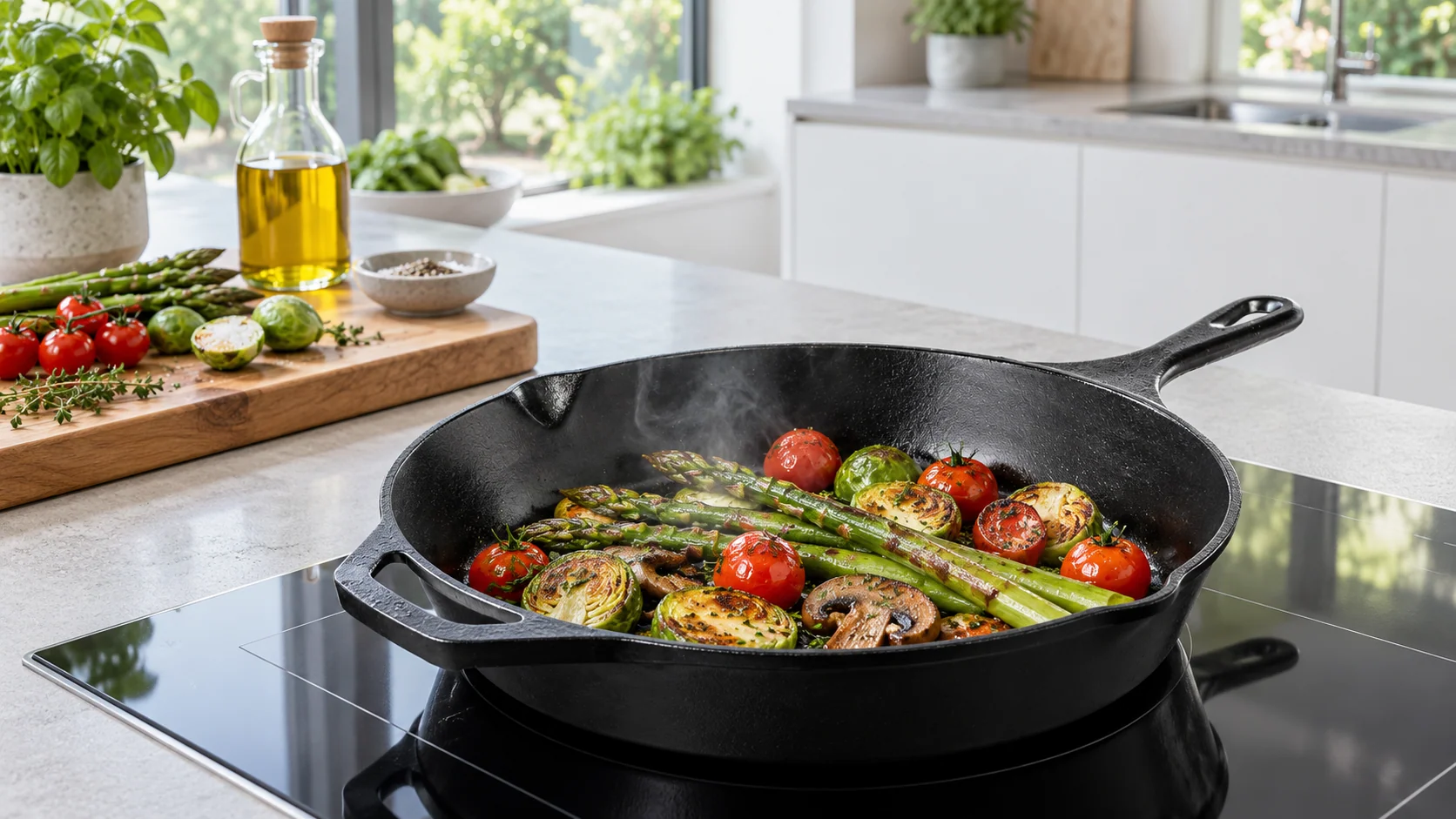
Cast iron cookware is known for its durability, excellent heat retention, and ability to handle different cooking methods. One of its biggest advantages is that many cast iron pans can move directly from the oven to the dining table, allowing you to serve food in the same cookware used to prepare it. This approach is practical for home cooks who want to keep meals warm, reduce the number of dishes to wash, and create an attractive presentation.
However, serving straight from a cast iron pan requires a little planning. The cookware can remain extremely hot long after it leaves the oven, and the wrong serving surface may become damaged by the heat. Understanding how to handle, position, and serve cast iron safely makes it easier to enjoy this convenient cooking method.
Can Cast Iron Go From Oven to Table?
Yes, most oven-safe cast iron cookware can go directly from the oven to the table, provided the manufacturer confirms that the entire piece is suitable for oven use. Traditional cast iron skillets, many cast iron casserole dishes, and suitable Dutch ovens are commonly used for both cooking and serving.
The key advantage is versatility. You can bake a dish, remove the cookware from the oven, and serve the finished meal without transferring it to another container. This works particularly well for cornbread, roasted vegetables, baked eggs, skillet cookies, casseroles, and other oven-cooked dishes.
Before using cast iron this way, check the handles, lids, knobs, and any decorative components. Some products include materials that have lower heat limits than the cast iron body. Wooden handles, plastic components, and certain lid knobs may not be suitable for oven use at high temperatures.
Enamelled cast iron also requires attention to the manufacturer's instructions. Although many enamelled pieces are oven-safe, their temperature limits and care requirements can differ from those of traditional seasoned cast iron.
Why Serving Food in Cast Iron Works So Well
One reason cast iron is popular for oven-to-table cooking is its ability to retain heat. Once heated, the cookware releases that stored warmth gradually, helping food stay warm while people gather around the table.
This can be useful when serving dishes that are best enjoyed hot. A skillet of roasted potatoes, a bubbling casserole, or freshly baked cornbread can remain warm longer than food transferred to a cold serving dish. The actual heat retention depends on the pan's thickness, the amount of food, the room temperature, and the time spent serving.
Cast iron also offers a distinctive presentation. Its simple, traditional appearance suits casual family meals, weekend brunches, and relaxed dinner gatherings. Rather than moving food into separate serving bowls, you can place the cookware at the centre of the table and let everyone serve themselves.
Another advantage is convenience. Cooking and serving in the same pan can reduce washing up and limit the number of dishes needed. For smaller kitchens or busy weeknight dinners, this can make meal preparation more efficient.
Which Cast Iron Dishes Are Best for Oven-to-Table Serving?
Not every recipe is equally suitable for serving directly from cast iron. The best options are dishes that benefit from retained heat and look appealing when presented in their cooking vessel.
Skillet Meals and Roasted Vegetables
Roasted vegetables, potatoes, chicken portions, and other one-pan meals are excellent choices. Cast iron can help develop browned surfaces during cooking, while its heat retention keeps the dish warm during serving.
For a balanced presentation, arrange the ingredients neatly and add fresh herbs or a finishing drizzle of olive oil just before bringing the pan to the table. Keep garnishes simple so the food remains the focus.
Baked Eggs and Breakfast Dishes
Cast iron skillets are useful for baked eggs, breakfast potatoes, frittatas, and similar dishes. These meals can move from the oven to the table with minimal handling.
Because eggs and other delicate ingredients continue cooking in hot cookware, consider removing the pan slightly before the food reaches its final desired texture. The remaining heat may finish the cooking process while you prepare the table.
Cornbread and Skillet Breads
Cornbread is a classic choice for cast iron serving. The pan helps create a browned crust while retaining warmth after baking. You can cut the bread into portions and serve it directly from the skillet.
Use a suitable knife or serving utensil, and take care not to scratch enamelled surfaces. For traditional seasoned cast iron, avoid leaving the pan wet after cleaning.
Casseroles and Baked Desserts
Certain casseroles, fruit crumbles, brownies, and skillet cookies can be served straight from oven-safe cast iron cookware. These dishes often benefit from the rustic appearance of the pan, making it suitable for both everyday meals and informal entertaining.
For desserts, allow a short cooling period before serving. Sugary fillings and melted chocolate can remain extremely hot, even when the top looks ready to eat.
How to Move Cast Iron Safely From Oven to Table
The most important rule is to treat cast iron as hot cookware throughout the entire serving process. Its ability to retain heat is useful for cooking, but it also means the pan may stay dangerously hot long after it has been removed from the oven.
First, use dry, heat-resistant oven mitts when removing the pan. Damp or wet fabric can transfer heat quickly and cause burns. Make sure your mitts cover your hands and provide a secure grip, especially when handling a heavy skillet or Dutch oven.
Second, plan the route from the oven to the table before lifting the cookware. Clear obstacles, move serving utensils into position, and ensure that everyone has enough space. If the pan is particularly heavy, ask another person to help prepare the table rather than attempting to carry it while managing several other items.
Third, place the pan on a heat-resistant trivet or suitable protective surface. Never assume that a wooden dining table, countertop, tablecloth, or ordinary serving board can tolerate the temperature of hot cast iron. Direct contact may leave scorch marks, damage the finish, or create a fire risk.
Finally, tell everyone at the table that the cookware is hot. The handle may look cool or harmless, but it can retain enough heat to cause serious burns. Keep children away from the handle and position it so guests are less likely to bump into it.
Can Cast Iron Damage Your Dining Table?
Yes, placing hot cast iron directly on an unprotected dining table can damage the surface. The heat may discolour wood, crack certain finishes, damage laminate, or scorch fabric.
A heat-resistant trivet is one of the simplest ways to prevent this problem. Choose a product specifically designed to support heavy, hot cookware. It should provide a stable base and protect the entire area that comes into contact with the pan.
Silicone mats may be suitable if their manufacturer confirms that they can withstand the temperature and weight involved. Thick wooden boards can also work when specifically intended for hot cookware, but ordinary decorative boards may not offer sufficient protection.
Avoid placing a hot cast iron pan on a cold, wet, or otherwise unsuitable surface. Sudden temperature changes can also cause problems with some materials, particularly glass and certain enamelled cookware. Follow the manufacturer's recommendations to reduce the risk of thermal shock.
How to Keep Food Warm Without Overcooking It
Cast iron retains heat well, but that does not mean food will remain at the perfect serving temperature indefinitely. The pan continues transferring heat to the food, so delicate ingredients may become overcooked if left inside for too long.
For dishes such as steak, roasted vegetables, and baked eggs, consider the recipe's resting time before serving. Removing the pan from the oven slightly earlier may help prevent excessive cooking, depending on the dish and its required internal temperature.
For casseroles and baked pasta, the retained heat can be beneficial because it keeps the centre warm while the food settles. Allowing a brief resting period may also make portions easier to serve.
Do not use the pan's appearance as the only indicator of food safety. Meat, poultry, and other foods requiring specific internal temperatures should be checked with a suitable food thermometer. If food will remain on the table for an extended period, follow established food safety guidance for hot holding and storage.
Cleaning Cast Iron After Serving
Proper cleaning helps preserve cast iron cookware for long-term use. However, the best method depends on whether the pan is traditionally seasoned or enamelled.
For traditional seasoned cast iron, allow the cookware to cool to a safe handling temperature before cleaning. Avoid pouring cold water into an extremely hot pan because the sudden temperature change may cause thermal shock or damage the cookware. Clean it according to the manufacturer's guidance, dry it thoroughly, and apply a light layer of cooking oil if appropriate for maintaining its seasoning.
Enamelled cast iron generally has a different care routine. Avoid abrasive tools that may damage the enamel, and allow the cookware to cool before washing. Always follow the care instructions supplied with the product.
It is also wise to avoid storing acidic leftovers in traditional seasoned cast iron for long periods. Ingredients such as tomatoes, vinegar, and citrus can affect the seasoning or develop metallic flavours when left in contact with the cookware for an extended time. Transfer leftovers to a suitable storage container once the food has cooled appropriately.
Choosing the Right Cast Iron Cookware for Serving
The right cookware depends on the dishes you prepare and the way you serve them. A cast iron skillet is useful for breakfast dishes, cornbread, roasted vegetables, and desserts. A deeper casserole or Dutch oven is more practical for stews, braises, and larger family meals.
When comparing products, consider the cookware's weight, capacity, handle design, lid construction, and oven temperature limit. If you intend to bring food directly to the dining table, choose a piece that is easy to carry safely and has handles that can be gripped securely with suitable oven mitts.
You can explore different cast iron cookware options here.
https://utopia.co.uk/collections/cast-iron
Compare the available cookware styles and select a piece that suits your recipes, cooking habits, and serving needs. Always confirm the product's oven suitability and care requirements before use.
Final Thoughts
Cast iron can go from oven to table, making it a practical choice for home cooks who value convenience, heat retention, and attractive food presentation. Skillet meals, cornbread, baked eggs, casseroles, and desserts are all suitable options when prepared in oven-safe cookware.
The most important consideration is safety. Use dry oven mitts, protect your table with a heat-resistant trivet, handle heavy cookware carefully, and warn guests that the pan remains hot. Allow food to rest when necessary, follow the manufacturer's care instructions, and transfer leftovers to suitable containers.
With the right cookware and a few simple precautions, serving directly from cast iron can make everyday meals feel more inviting while reducing unnecessary dishes and keeping food warm at the table.

 Bangla