


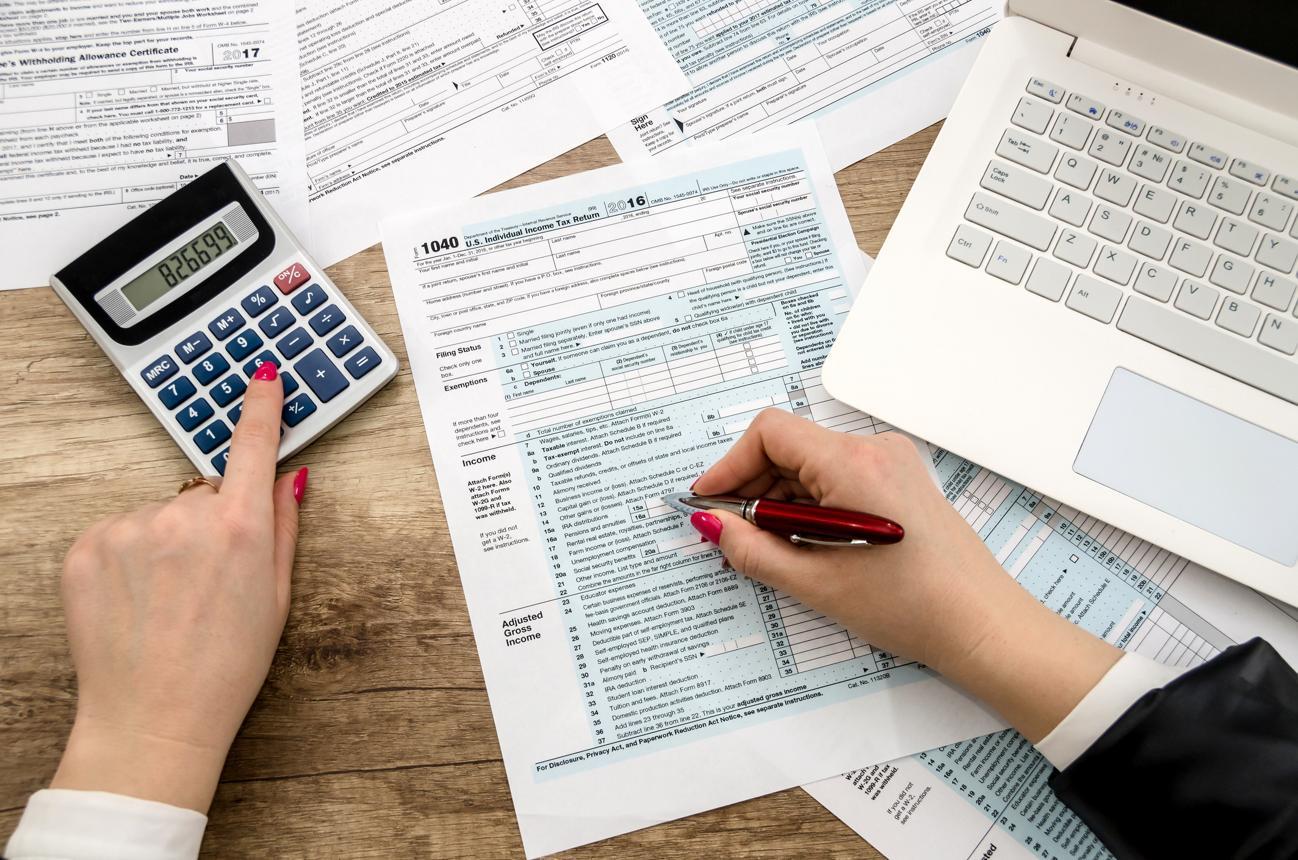
Filing your own taxes can feel manageable right up until you hit a form you don’t recognize or a deduction you’re not sure you qualify for. That’s usually the moment people start searching for personal tax return services and for good reason. A qualified preparer doesn’t just fill out forms; they catch errors before they become audit flags and identify deductions you might otherwise miss.
This guide walks through what personal tax return services actually do, how to choose the right provider, and how to make sure you’re claiming every deduction you’re legally entitled to without cutting corners that could cause problems later.
What Personal Tax Return Services Actually Do
Personal tax return services cover the preparation, review, and filing of individual income tax returns on your behalf. This typically includes gathering your income documentation (W-2s, 1099s, investment statements), applying the correct filing status, calculating taxable income, and identifying applicable credits and deductions before submitting your return to the relevant tax authority.
Beyond the mechanical process of filling out forms, good personal tax preparation services also involve a review of your full financial picture. A preparer looks at life changes — a new job, a home purchase, a dependent, freelance income — and flags how each one affects your return. This is where the real value lives: not in the software that does the math, but in the judgment that decides which numbers go where.
Why Filing Accuracy Matters More Than Most People Realize
An inaccurate return isn’t just a minor paperwork issue. Errors can trigger delayed refunds, penalties, interest charges, or in more serious cases, an audit. Common mistakes include:
- Misreporting income from multiple sources
- Choosing the wrong filing status
- Missing deadlines for estimated tax payments
- Overlooking changes in tax law that affect eligibility for credits
- Mathematical errors in self-prepared returns
Individual tax filing services exist specifically to reduce this risk. A trained preparer cross-checks your documentation against IRS requirements, ensures your figures reconcile, and confirms that every form required for your situation — whether that’s a Schedule C for self-employment income or a Schedule D for capital gains — is included and correctly completed.
The Cost of Getting It Wrong
Even small errors compound. A missed 1099 can trigger a notice months after filing, and an incorrectly claimed credit can mean repaying that money with interest. Professional preparation reduces these risks substantially because it builds in a review step that self-filing often skips under time pressure.
How to Choose the Right Tax Preparer
Not all preparers offer the same level of service, so it helps to know what separates a solid provider from a mediocre one.
Look for Verified Credentials
A preparer with an active PTIN (Preparer Tax Identification Number) is required by law to file paid returns. Beyond that baseline, credentials like CPA, Enrolled Agent (EA), or a tax attorney designation indicate a deeper level of training, particularly for more complex returns involving investments, rental property, or self-employment.
Ask About Their Review Process
A trustworthy provider doesn’t just transcribe your numbers into software. Ask how they verify income documentation, how they handle discrepancies, and whether they review your return with you before filing. This conversation alone tells you a lot about the quality of service you’re about to receive.
Consider Availability Beyond Tax Season
Questions don’t always arrive in March. A provider who’s reachable if you get an IRS notice in September is worth more than one who disappears after April.
Searching for Tax Preparation Services Near Me
When searching for tax preparation services near me, prioritize local reviews, in-person availability if you prefer face-to-face meetings, and familiarity with any state or local tax nuances that apply to your area. Local preparers often have practical experience with region-specific deductions and filing requirements that a generic national service might overlook.
Commonly Overlooked Tax Deductions
Claiming eligible deductions is where professional preparation tends to pay for itself. Some of the most frequently missed deductions include:
- Charitable contributions, including non-cash donations and mileage driven for volunteer work
- Medical and dental expenses exceeding a percentage of adjusted gross income
- Student loan interest, which has specific income phase-out thresholds
- Home office deductions for qualifying self-employed individuals
- Retirement contributions to traditional IRAs, which can reduce taxable income
- State and local taxes paid, subject to applicable caps
- Educator expenses for qualifying teachers who purchase classroom supplies
A preparer reviewing your full financial picture is far more likely to catch these than software alone, since many deductions depend on context the software doesn’t automatically know to ask about.
Working With a Preparer: What to Expect
A typical engagement with personal tax return services follows a predictable sequence:
- Document collection — income statements, prior-year returns, and records of deductible expenses
- Initial review — identifying your filing status, dependents, and any significant financial changes from the prior year
- Preparation — entering figures, applying deductions and credits, and calculating the final tax liability or refund
- Review with the client — walking through the return before submission so you understand what’s being filed
- Filing and confirmation — electronic submission with confirmation of acceptance
This process typically takes anywhere from a few days to a few weeks depending on the complexity of your return and the time of year.
Practical Tips for a Smoother Filing Experience
- Organize documents early rather than scrambling in March
- Keep a running log of deductible expenses throughout the year instead of reconstructing them later
- Communicate life changes to your preparer as they happen, not just at tax time
- Ask for an estimate of fees upfront so there are no surprises
- Request a copy of your filed return for your own records
Final Thoughts
Accurate filing and maximizing eligible deductions both come down to the same thing: thorough, informed preparation. Whether you handle your taxes independently or work with a professional, understanding what personal tax preparation services actually involve helps you ask better questions and make more informed decisions about your return. For most people with anything beyond a simple W-2 filing, professional support pays for itself — both in deductions captured and in errors avoided.
Frequently Asked Questions
Q1: How much do personal tax return services typically cost?A: Costs vary based on the complexity of your return. A simple W-2 filing is usually less expensive than a return involving self-employment income, rental property, or investment gains. Many preparers offer upfront quotes once they understand your situation.
Q2: Can I switch tax preparers if I’m not satisfied with my current one?A: Yes. You’re free to choose a different preparer at any time, including mid-season. It’s helpful to bring copies of prior-year returns so the new preparer has full context on your filing history.
Q3: What documents do I need before meeting with a tax preparer?
A: Generally, you’ll want income statements (W-2s, 1099s), records of deductible expenses, prior-year tax returns, and documentation for any major life changes such as a new dependent, home purchase, or change in employment status.

 Bangla