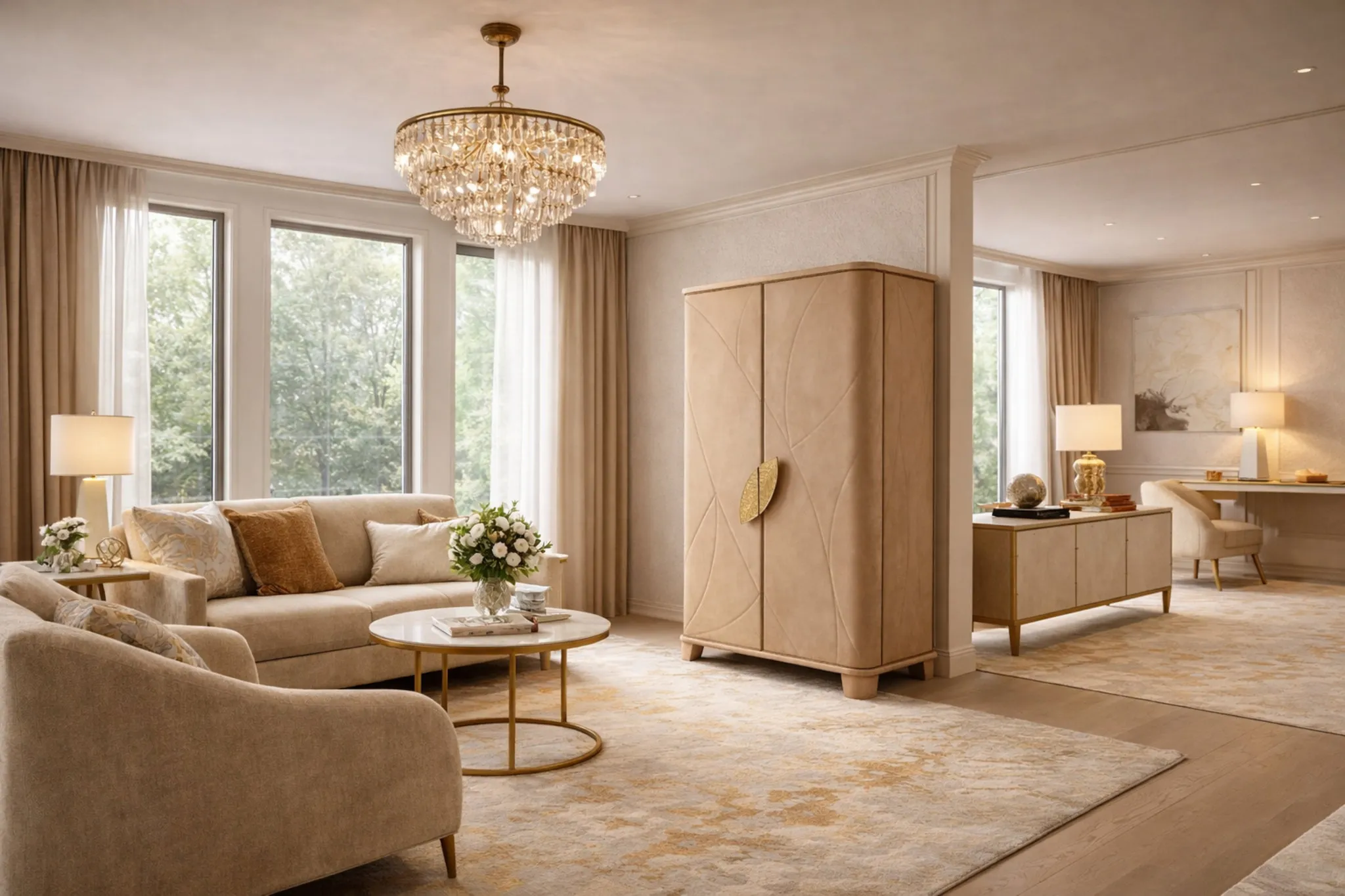
• An armchair occupies a strange middle ground in furniture design ,too substantial to be an afterthought, yet too singular to anchor a room the way a sofa does. That in-between status is exactly what makes it useful: an armchair can fill an awkward corner, add a reading nook, or provide an extra seat for a guest without requiring the floor space or budget commitment of a full sofa. What separates an armchair from other home chairs is, unsurprisingly, the armrests ,a detail that sounds minor but changes how the piece is actually used. Armrests provide support for getting in and out of the seat, a feature that matters more than most buyers initially expect, particularly for chairs placed near a bed or used by older household members. This is one reason armchairs are frequently chosen over armless accent chairs for bedrooms and living rooms alike, even though they take up slightly more space. Material and construction style vary widely within this category. A wooden chair frame, particularly one using mortise-and-tenon joinery rather than simple screws or brackets, tends to hold its shape under repeated weight shifts far longer than lighter constructions ,a structural difference that is rarely visible from the outside but becomes apparent after years of daily use. Upholstery choices layered onto that frame then determine whether the final piece reads as casual or formal. At the more ornate end of the spectrum, a maharaja chair draws on a distinct design lineage ,heavily carved wooden frames, often finished in dark wood tones with brass or ornamental detailing, historically associated with royal Indian seating traditions. This style sits firmly within what is now marketed as the territory of luxury or premium chairs, where craftsmanship and finish detail matter as much as comfort. For everyday use, simpler wooden-framed armchairs with clean upholstery tend to integrate more easily into varied interiors, while a single ornate piece ,a maharaja-style chair, for instance ,can work well as a deliberate statement piece rather than part of a matching set. Styles range from understated wooden frames to ornately carved designs in the furniture chair collection at Twigs Direct.
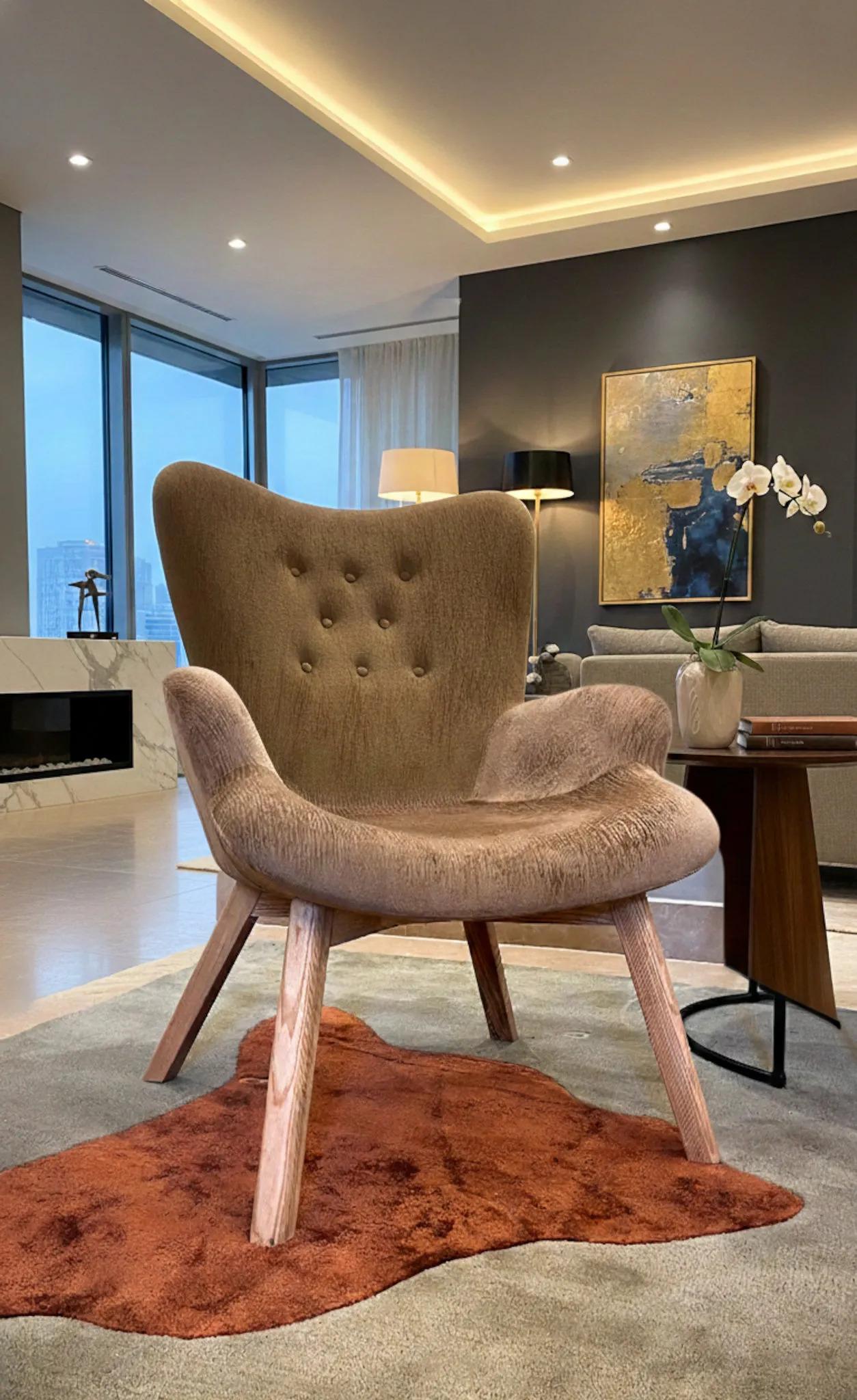
    An armchair occupies a strange middle ground in furniture design ,too substantial to be an afterthought, yet too singular to anchor a room the way a sofa does. That in-between status is exactly what makes it useful: an armchair can fill an awkward corner, add a reading nook, or provide an extra seat for a guest without requiring the floor space or budget commitment of a full sofa. What separates an armchair from other home chairs is, unsurprisingly, the armrests ,a detail that sounds minor but changes how the piece is actually used. Armrests provide support for getting in and out of the seat, a feature that matters more than most buyers initially expect, particularly for chairs placed near a bed or used by older household members. This is one reason armchairs are frequently chosen over armless accent chairs for bedrooms and living rooms alike, even though they take up slightly more space. Material and construction style vary widely within this category. A wooden chair frame, particularly one using mortise-and-tenon joinery rather than simple screws or brackets, tends to hold its shape under repeated weight shifts far longer than lighter constructions ,a structural difference that is rarely visible from the outside but becomes apparent after years of daily use. Upholstery choices layered onto that frame then determine whether the final piece reads as casual or formal. At the more ornate end of the spectrum, a maharaja chair draws on a distinct design lineage ,heavily carved wooden frames, often finished in dark wood tones with brass or ornamental detailing, historically associated with royal Indian seating traditions. This style sits firmly within what is now marketed as the territory of luxury or premium chairs, where craftsmanship and finish detail matter as much as comfort. For everyday use, simpler wooden-framed armchairs with clean upholstery tend to integrate more easily into varied interiors, while a single ornate piece ,a maharaja-style chair, for instance ,can work well as a deliberate statement piece rather than part of a matching set. Styles range from understated wooden frames to ornately carved designs in the furniture chair collection at Twigs Direct.
    0 Comments 1 Shares 46 Views
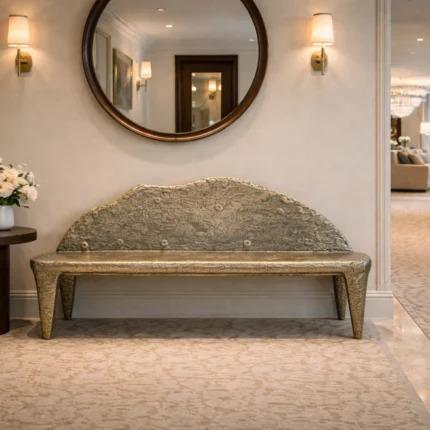
  • A wooden bench is one of the most adaptable pieces a home can own, largely because it never insists on a single role. The same bench that serves as overflow seating during a gathering can just as easily sit at the foot of a bed for laying out clothes, or anchor an entryway as a spot to sit while putting on shoes ,function shifts with placement far more than with the piece's design. This flexibility is part of why bench seating has held a place in furniture design across nearly every culture and era, unlike chairs or sofas, which tend to be tied more closely to a single seating posture. A simple, backless wooden bench can be moved, repositioned, or repurposed without the visual commitment of a large upholstered piece, making it a low-risk addition for households still working out a room’s final layout. Placement tends to dictate the most common variations. An entryway bench typically sits lower and narrower, prioritizing quick use and shoe storage over lounging comfort, often paired with hooks or a shoe rack above and below it. A living room bench, by contrast, is usually built wider and may include a cushioned or upholstered top, since it is more likely to be used for extended sitting alongside a sofa or coffee table arrangement. In the bedroom, an end-of-bed bench ,sometimes built as a wooden bed bench matching the bed frame’s finish ,serves a slightly different purpose: less about seating capacity and more about staging, whether that is a spot to sit while putting on shoes or a surface for folding throws and pillows that do not fit on the bed itself. An ottoman bench variation often swaps the solid wood top for a padded lid, sometimes storage-hinged, combining seating with hidden storage for blankets or out-of-season items. Because a bench rarely needs to match the exact dimensions of surrounding furniture the way a sofa or bed does, it remains one of the easiest pieces to introduce into an already-furnished room without a full redesign. A range of these styles is available in the bench seat collection at Twigs Direct.
    A wooden bench is one of the most adaptable pieces a home can own, largely because it never insists on a single role. The same bench that serves as overflow seating during a gathering can just as easily sit at the foot of a bed for laying out clothes, or anchor an entryway as a spot to sit while putting on shoes ,function shifts with placement far more than with the piece's design. This flexibility is part of why bench seating has held a place in furniture design across nearly every culture and era, unlike chairs or sofas, which tend to be tied more closely to a single seating posture. A simple, backless wooden bench can be moved, repositioned, or repurposed without the visual commitment of a large upholstered piece, making it a low-risk addition for households still working out a room’s final layout. Placement tends to dictate the most common variations. An entryway bench typically sits lower and narrower, prioritizing quick use and shoe storage over lounging comfort, often paired with hooks or a shoe rack above and below it. A living room bench, by contrast, is usually built wider and may include a cushioned or upholstered top, since it is more likely to be used for extended sitting alongside a sofa or coffee table arrangement. In the bedroom, an end-of-bed bench ,sometimes built as a wooden bed bench matching the bed frame’s finish ,serves a slightly different purpose: less about seating capacity and more about staging, whether that is a spot to sit while putting on shoes or a surface for folding throws and pillows that do not fit on the bed itself. An ottoman bench variation often swaps the solid wood top for a padded lid, sometimes storage-hinged, combining seating with hidden storage for blankets or out-of-season items. Because a bench rarely needs to match the exact dimensions of surrounding furniture the way a sofa or bed does, it remains one of the easiest pieces to introduce into an already-furnished room without a full redesign. A range of these styles is available in the bench seat collection at Twigs Direct.
    0 Comments 0 Shares 40 Views
  • Few furniture decisions affect daily routine as directly as the choice of a wardrobe. Long before "storage" became a buzzword in interior design circles, the wardrobe ,known in many Indian households as an almirah ,served as the primary system for organizing clothing, linens, and household essentials, and that core function hasn't changed even as styles have evolved dramatically. What has changed is how much a single wardrobe design is now expected to do. Where older almirah designs typically offered one hanging section and a few shelves, contemporary wardrobe design increasingly incorporates zoned storage: dedicated drawers for folded clothing, vertical dividers for shoes, pull-out trays for accessories, and adjustable shelving that can be reconfigured as needs change. This reflects a broader move in furniture design toward customization rather than one-size-fits-all storage. Material choice remains one of the most important long-term decisions in this category. A wooden wardrobe, particularly one built from solid or engineered hardwood rather than particleboard, generally holds up better against the repeated opening and closing of doors and drawers ,a stress point that causes hinges and tracks to fail faster in lower-density materials. For a piece of furniture expected to last a decade or more, this structural detail often matters more than the surface finish alone. The latest wardrobe design trends have also moved toward sliding doors over traditional hinged doors, particularly in smaller bedrooms where a swinging door would eat up usable floor space. Mirrored panels on a wooden almirah are another common feature, serving as a full-length mirror and visually expanding a compact room. modern wardrobe design today also pays closer attention to ventilation ,slatted or perforated panels built into the back or sides of the unit help prevent the dampness and odor buildup that closed wooden storage is prone to in humid climates, an issue particularly relevant across much of India. Because a wardrobe sees daily use for years, getting the internal layout right is often more important than the exterior finish alone. A range of wooden and modern wardrobe configurations is available at Twigs Direct.
    Few furniture decisions affect daily routine as directly as the choice of a wardrobe. Long before "storage" became a buzzword in interior design circles, the wardrobe ,known in many Indian households as an almirah ,served as the primary system for organizing clothing, linens, and household essentials, and that core function hasn't changed even as styles have evolved dramatically. What has changed is how much a single wardrobe design is now expected to do. Where older almirah designs typically offered one hanging section and a few shelves, contemporary wardrobe design increasingly incorporates zoned storage: dedicated drawers for folded clothing, vertical dividers for shoes, pull-out trays for accessories, and adjustable shelving that can be reconfigured as needs change. This reflects a broader move in furniture design toward customization rather than one-size-fits-all storage. Material choice remains one of the most important long-term decisions in this category. A wooden wardrobe, particularly one built from solid or engineered hardwood rather than particleboard, generally holds up better against the repeated opening and closing of doors and drawers ,a stress point that causes hinges and tracks to fail faster in lower-density materials. For a piece of furniture expected to last a decade or more, this structural detail often matters more than the surface finish alone. The latest wardrobe design trends have also moved toward sliding doors over traditional hinged doors, particularly in smaller bedrooms where a swinging door would eat up usable floor space. Mirrored panels on a wooden almirah are another common feature, serving as a full-length mirror and visually expanding a compact room. modern wardrobe design today also pays closer attention to ventilation ,slatted or perforated panels built into the back or sides of the unit help prevent the dampness and odor buildup that closed wooden storage is prone to in humid climates, an issue particularly relevant across much of India. Because a wardrobe sees daily use for years, getting the internal layout right is often more important than the exterior finish alone. A range of wooden and modern wardrobe configurations is available at Twigs Direct.
    0 Comments 0 Shares 56 Views